
The cost to paint exterior of house projects in the U.S. typically falls between $1,800 and $4,500 for an average single-family home. However, larger or more complex properties can push that number well above $10,000. Several factors drive where your project lands in that range. Knowing them before you call a contractor puts you in a much stronger position to negotiate and plan accordingly.
Key Takeaways
- Average exterior house painting costs range from $1,800 to $4,500 for most single-family homes in the U.S.
- Square footage, surface condition, and number of stories are the biggest pricing drivers.
- Premium paint and proper prep work cost more upfront but reduce how often you repaint.
- Getting at least three quotes from licensed, insured contractors protects your investment.
- Timing, local labor rates, and paint quality all affect your final bill.
- A professional contractor can spot hidden issues like wood rot or failing caulk that would otherwise lead to bigger repair costs later.
Table of Contents
- What Drives the Cost to Paint Exterior of House
- Average Cost Breakdown by Home Size
- Paint Quality and the Cost to Paint Exterior of House
- Prep Work: The Hidden Cost Most Homeowners Underestimate
- Things to Know
- How to Get Accurate Quotes
What Drives the Cost to Paint Exterior of House
No two homes price out the same, even if they sit side by side. Several variables combine to determine your total cost.
Square footage is the most obvious factor. Contractors typically price exterior jobs by the square foot of paintable surface, not the home’s floor plan. Dormers, gable ends, trim, window casings, shutters, and doors all add to the total surface area being calculated.
Number of stories matters just as much. Additionally, a two-story home requires taller ladders, scaffolding, or lift equipment. That equipment costs money to rent or own, and it slows down the crew. Expect a meaningful price premium over a single-story home of similar square footage.
Siding material plays a role too. Smooth wood, fiber cement, stucco, brick, and vinyl all require different prep methods and primer types. Moreover, stucco and brick have a higher surface absorption rate, which means more paint is used per coat.
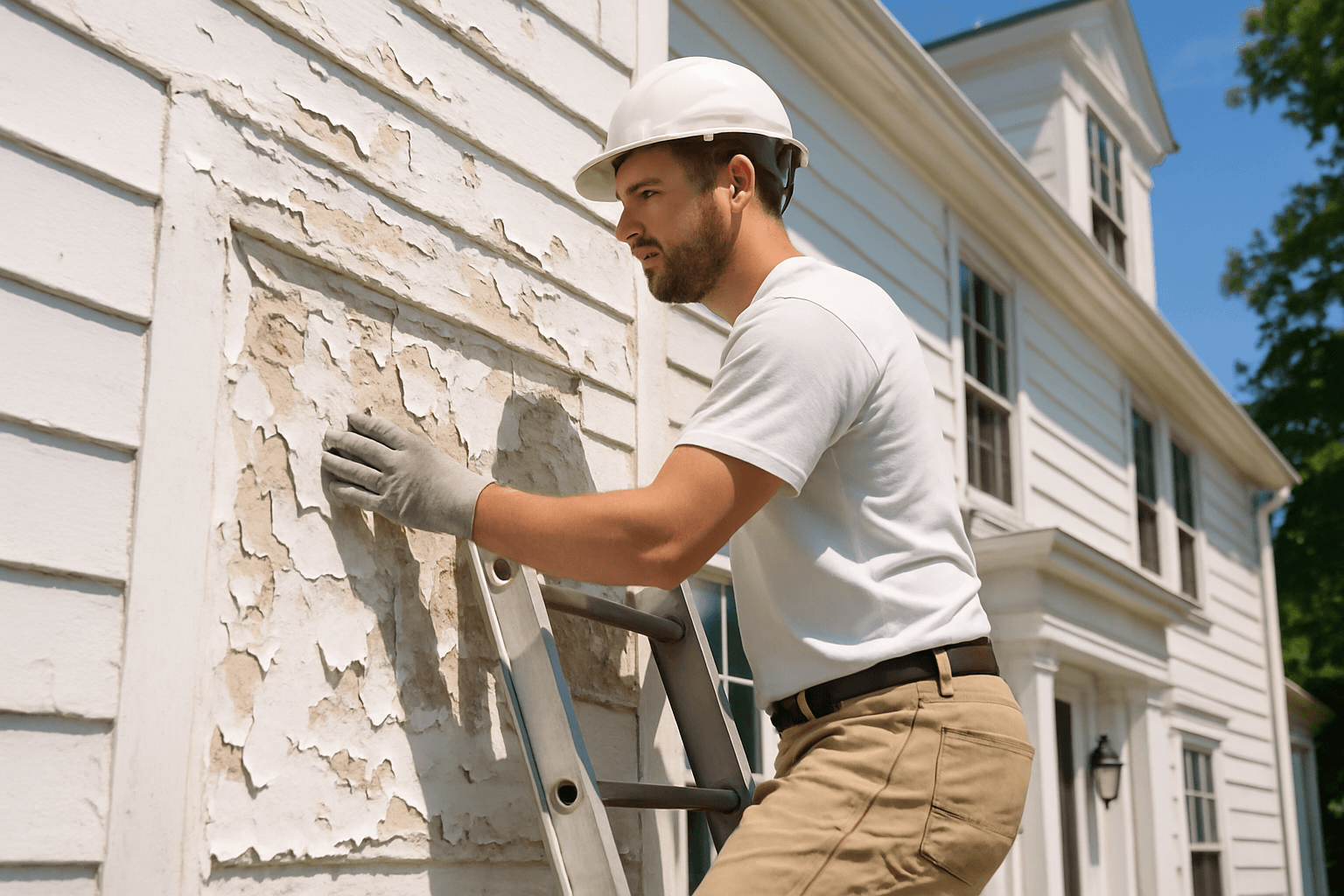
Existing paint condition is one of the biggest variables contractors examine during a walkthrough. In contrast, peeling, chalking, or blistering paint requires extra time to scrape, sand, and prime before a single new coat goes on. If the existing surface is in poor shape, labor hours rise significantly.
Average Cost Breakdown by Home Size
Here’s a general reference table based on widely reported industry figures. These are rough benchmarks, not guarantees. Your local labor market, paint selection, and surface conditions will move the needle.
| Home Size (sq ft) | Estimated Exterior Painting Cost |
|---|---|
| Under 1,000 sq ft | $1,000 – $2,500 |
| 1,000 – 1,500 sq ft | $1,500 – $3,500 |
| 1,500 – 2,500 sq ft | $2,000 – $5,000 |
| 2,500 – 3,500 sq ft | $3,500 – $7,000 |
| 3,500+ sq ft | $6,000 – $12,000+ |
Labor typically makes up roughly 75 to 85 percent of a painting project’s total cost. Industry reporting from sources like HomeAdvisor and Angi confirms this breakdown. Materials, primarily primer and paint, account for the rest. Therefore, hourly rates and regional labor costs create significant price differences across states and even between neighboring towns.
Paint Quality and the Cost to Paint Exterior of House
Many homeowners focus on labor quotes and overlook the paint itself. This is a mistake that costs money over time.
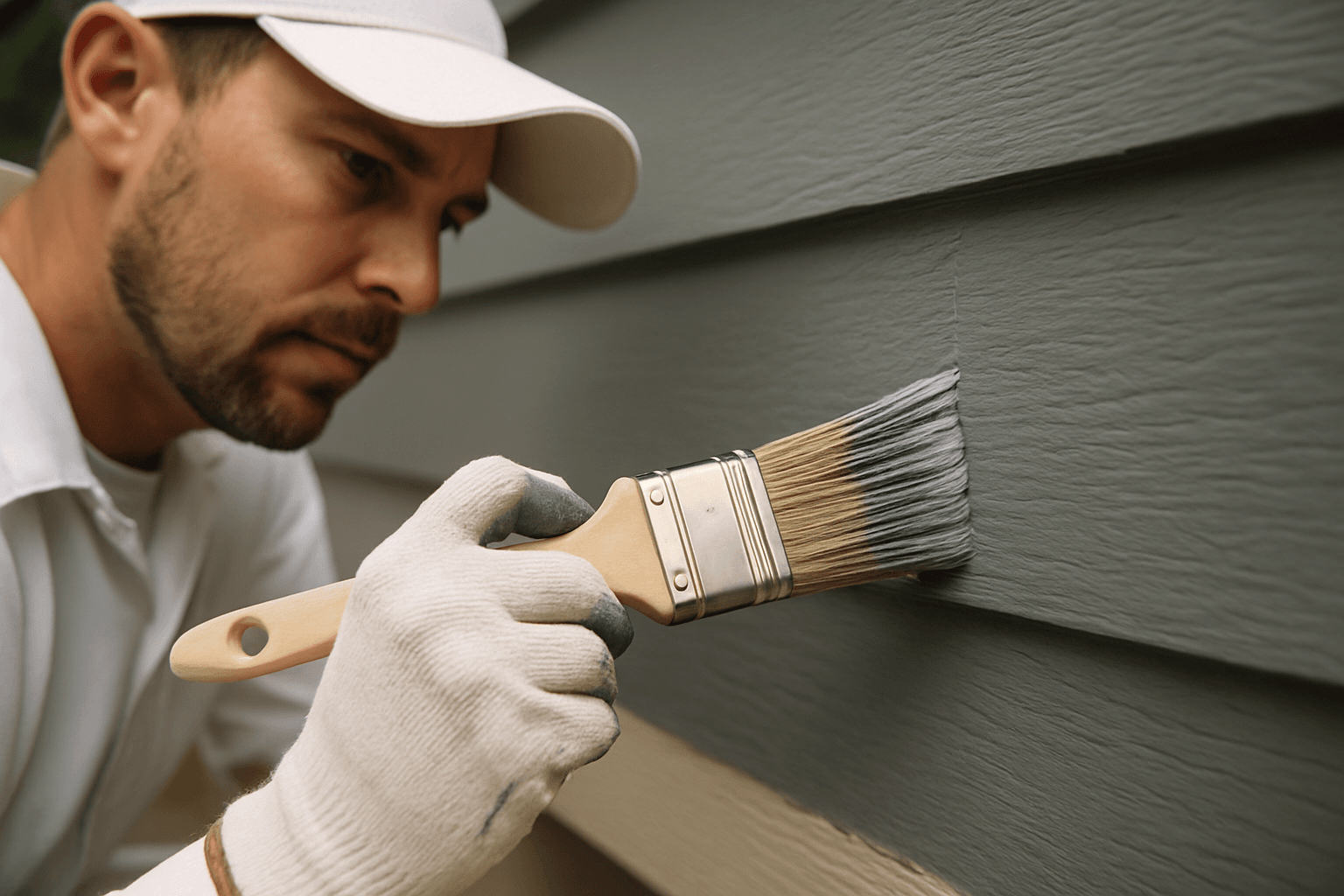
Premium exterior paints from established manufacturers carry better UV resistance, adhesion, and elasticity than budget-grade products. A gallon of quality exterior paint runs between $50 and $90 at retail. Contractors buying in volume may get better pricing. However, using a low-grade paint to cut costs often means repainting sooner.
Color selection also affects the bottom line in two ways. First, dramatic color changes—such as going from a dark brown to a light gray—typically require more coats to achieve full coverage. Second, specialty colors and custom tints can raise the price per gallon.
If you’re considering a blue palette, our team has put together a resource on blue exterior paint colors for homes in glastonbury ct that walks through which shades hold up well in New England’s climate and which finishes work best on different siding types.
For homeowners also thinking about the inside of the home, it’s worth noting that paint technology has evolved significantly. Understanding why low voc and zero voc paints are changing interior painting helps you understand why your contractor may recommend specific formulas for certain rooms or surfaces.
Prep Work: The Hidden Cost Most Homeowners Underestimate
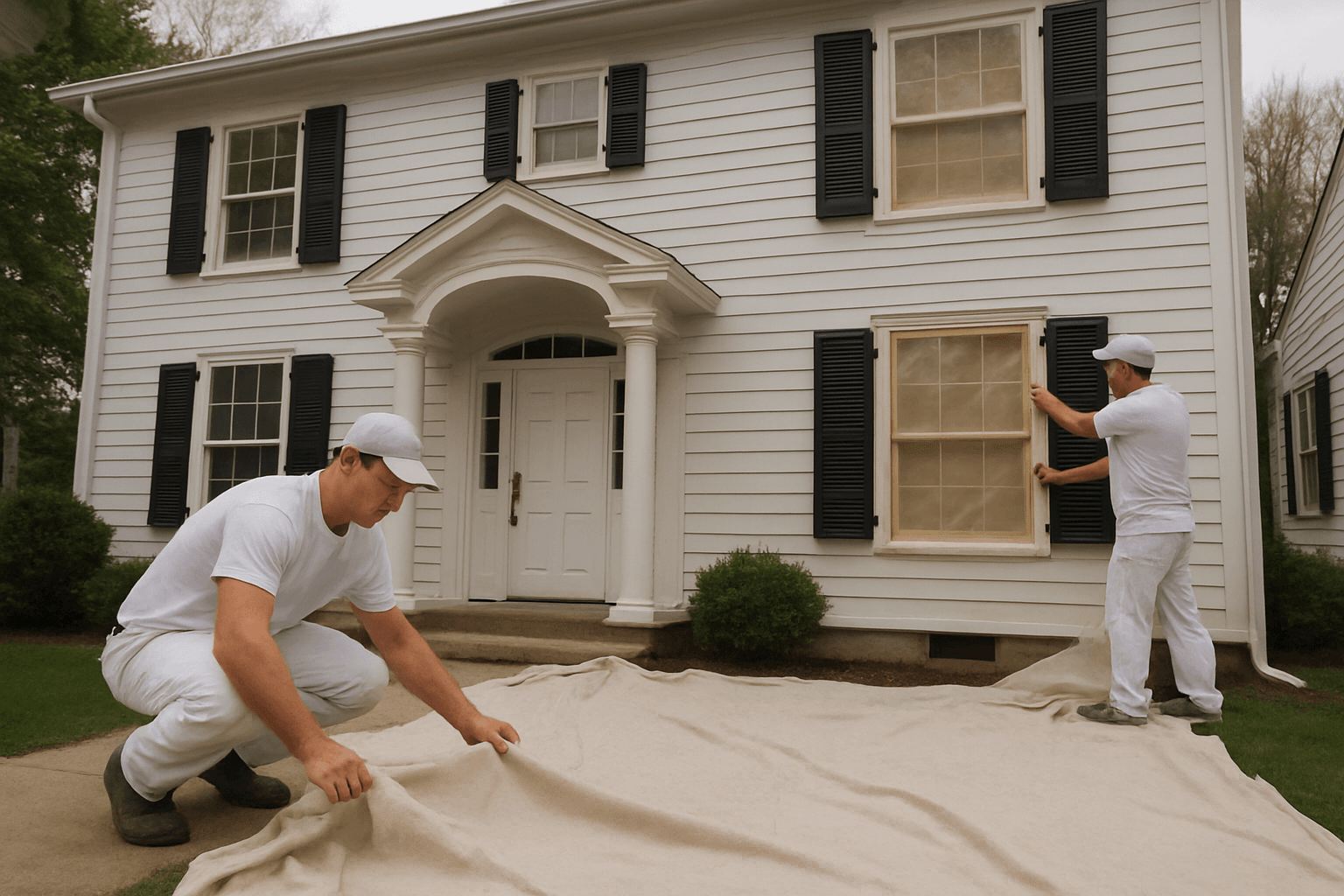
Experienced contractors will tell you that prep work is where a good paint job is won or lost. Therefore, skipping it might lower your upfront quote, but it will shorten the life of your paint significantly.
Proper prep for an exterior painting project includes:
- Power washing the entire surface to remove dirt, mildew, and loose paint
- Scraping and sanding any areas where paint is peeling or flaking
- Caulking around windows, doors, trim, and seams to prevent water infiltration
- Applying primer to bare wood, repaired areas, or surfaces with stain bleed-through
- Replacing rotted wood sections before painting begins
Some contractors include prep in their base quote. In contrast, others itemize it separately. Always ask what the quote covers before signing anything.
For Hartford County homeowners who want to understand what a thorough exterior project looks like from start to finish, our page on exterior painting glastonbury ct lasting paint tips covers the prep, application, and maintenance steps that extend the life of your paint job. Additionally, if you’re planning both interior and exterior work at the same time, the details on interior painting glastonbury ct cleaner smoother project explain how a coordinated approach can keep your timeline and budget tighter.
Things to Know
- Timing affects price. Most contractors are busiest in late spring through early fall. Scheduling in late fall or winter (where weather permits) may give you more negotiating room.
- Permits are rarely required for residential repaints in most U.S. states. However, if your HOA has color restrictions, get written approval before work starts.
- Two coats are standard. Be cautious of any contractor quoting only one coat unless your surface is in pristine condition and requires minimal color change.
- Warranties vary widely. A reputable contractor typically offers a workmanship warranty ranging from one to five years. Confirm what’s covered and what voids it.
- Licensed and insured is non-negotiable. If a worker is injured on your property and the contractor carries no liability insurance, you could be held responsible.
How to Get Accurate Quotes
Getting at least three written quotes is the standard recommendation for any home improvement project above $1,000. When comparing bids, don’t just look at the bottom line. Moreover, compare what each quote includes in terms of prep, number of coats, paint brand and sheen, and warranty terms.
Ask each contractor:
- What surface prep is included?
- How many coats of paint will be applied?
- What brand and grade of paint is used?
- What does the workmanship warranty cover?
- Are you licensed, insured, and bonded in Connecticut (or your state)?
The lowest bid is rarely the best value when those questions go unanswered.
Schedule Your Exterior Painting Estimate With Glastonbury Professionals
If you’re a Hartford County homeowner ready to get real numbers for your project, Glastonbury Professionals House Painters has served the area for over 20 years with licensed, insured, and bonded exterior painting services. We provide detailed written estimates with no surprises on prep, materials, or labor.
Request Your Free Exterior Painting Estimate
Frequently Asked Questions
Q: How long does exterior house paint typically last?
Quality exterior paint on a properly prepped surface generally lasts seven to ten years before needing a full repaint. Factors like sun exposure, moisture, and siding material affect that lifespan. Trim and high-traffic surfaces like front doors may show wear sooner and benefit from touch-ups before a full repaint is needed.
Q: Is it cheaper to paint a house yourself or hire a contractor?
DIY exterior painting can reduce labor costs, but it comes with real trade-offs in time, safety, and quality. Renting equipment, buying materials, and spending multiple weekends on scaffolding adds up quickly. Contractors bring efficiency, proper prep knowledge, and warranty protection that DIY projects simply don’t offer.
Q: Does the number of colors affect the cost to paint exterior of house?
Using multiple colors—such as a separate body color, trim color, and accent color—increases both labor time and material complexity. Each color change requires separate cutting-in, masking, and sometimes different sheens. Expect a modest price increase for multi-color schemes compared to a single-color repaint.
Q: What time of year is best to paint the exterior of a house?
Late spring through early fall offers the most consistent temperatures and lower humidity, which are ideal conditions for exterior paint to cure properly. Most paint manufacturers recommend application temperatures between 50°F and 90°F. Painting in conditions outside that range can cause adhesion failures, bubbling, or uneven sheen.
Q: Should I pressure wash my house before painting it?
Yes, power washing is a standard and necessary step before any exterior repaint. Painting over dirt, mildew, or chalky residue causes premature adhesion failure. A contractor who skips this step is cutting corners that will cost you money when the paint begins to peel ahead of schedule.
The Bottom Line on Cost to Paint Exterior of House
Understanding what drives the cost to paint exterior of house gives you the leverage to evaluate quotes clearly, ask the right questions, and avoid being undersold on prep or paint quality. Budget for the full scope, not just the brushwork.
Your next step: request a written estimate from a licensed contractor who will walk your property, assess the surface condition, and give you a line-by-line breakdown before any work begins.