- Free Estimates

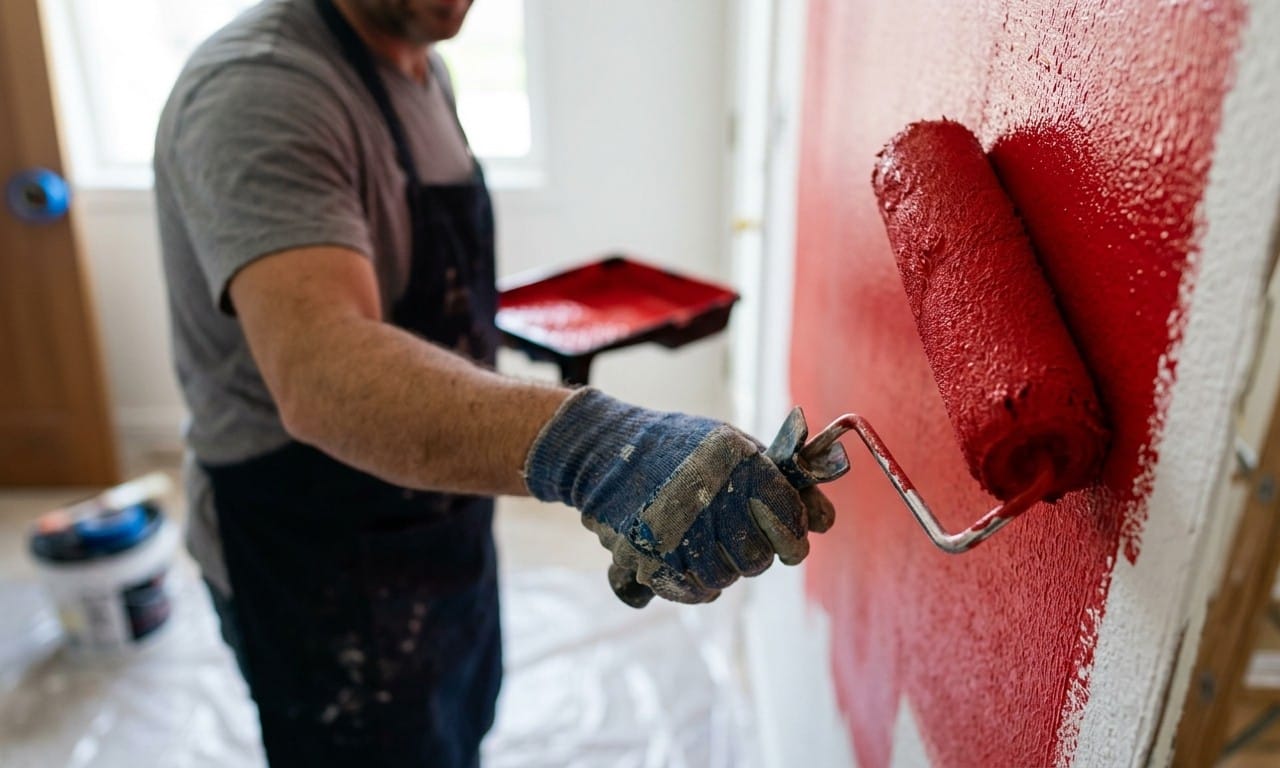
✔ Low-VOC and zero-VOC paints are designed to reduce harmful emissions while maintaining strong paint performance.
✔ They help improve indoor air quality by releasing fewer chemical fumes during and after painting.
✔ Eco-friendly paints produce less odor, allowing rooms to feel comfortable sooner after application.
✔ Modern low-VOC paints provide durable finishes, excellent coverage, and a wide range of colors.
✔ Working with professional painters helps ensure the right eco-friendly paint selection and long-lasting results.
Interior painting is shifting toward healthier, low-emission materials. Many homeowners now choose low-VOC and zero-VOC paints to improve indoor air quality while reducing environmental impact. Traditional paints release volatile organic compounds, or VOCs, which evaporate into the air during and after application and contribute to indoor pollution.
Low-VOC and zero-VOC paints reduce these emissions while still providing strong durability, smooth coverage, and reliable color performance. As awareness of healthier living environments continues to grow, these eco-friendly paints are becoming a preferred choice for modern interior painting.
Low-VOC and zero-VOC paints are designed to dramatically reduce the release of harmful chemicals during and after application. These formulations deliver the same decorative finish as traditional paint while reducing emissions that impact indoor air quality.
Low-VOC paints contain significantly reduced levels of volatile organic compounds compared with conventional paint. In most cases, these products contain 50 grams per liter of VOCs or less.
Because the solvent content is lower, these paints produce far fewer fumes and odors during application. Many homeowners find that rooms painted with low-VOC paint are more comfortable to occupy sooner after painting.
Zero-VOC paints contain extremely small amounts of VOCs, typically less than 5 grams per liter. These products are designed to minimize emissions as much as possible.
It is important to note that tinting paint to achieve darker colors may slightly increase VOC levels because of pigments added during the mixing process. Even so, the overall emissions remain significantly lower than those of traditional paints.
| Feature | Low-VOC Paint | Zero-VOC Paint |
|---|---|---|
| VOC Emissions | Significantly reduced chemical emissions | Nearly eliminated emissions |
| Indoor Air Quality | Improves indoor air quality compared with traditional paint | Provides the lowest possible emissions for better indoor air conditions |
| Odor Level | Mild paint odor during and after application | Very minimal to almost no odor |
| Color & Finish Options | Wide range of colors and finishes available | Wide range available, though tinting may slightly increase VOC levels |
| Overall Benefit | Healthier alternative to conventional paint | Best option for minimizing indoor chemical exposure |
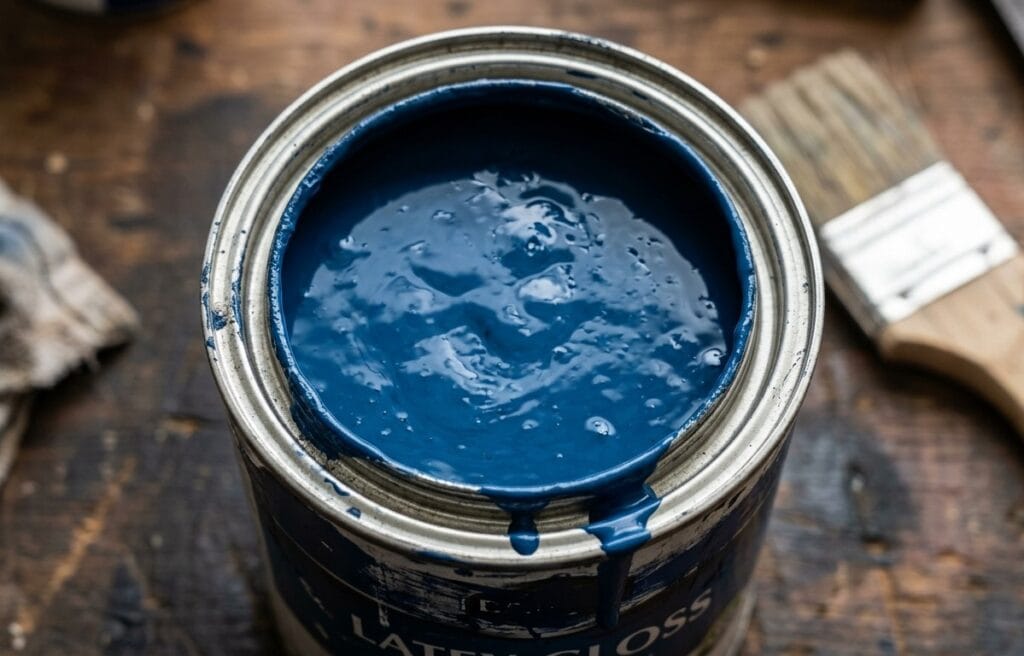
Low-VOC and zero-VOC paints release far fewer chemical emissions than traditional paints. This helps create healthier indoor spaces, especially for households with children, seniors, or people sensitive to strong fumes.
Traditional paints often leave behind a strong smell that can linger after painting. Eco-friendly paints produce much milder odors, allowing rooms to feel comfortable and usable sooner.
Lower-emission paints reduce the release of chemicals into the air. This makes them a more environmentally responsible choice for homeowners who want to minimize the impact of home improvement projects.
Modern low-VOC and zero-VOC paints offer strong coverage, durable finishes, and long-lasting color. Advances in paint technology allow these products to perform just as well as conventional paints.
More homeowners are prioritizing healthier living environments and sustainable materials. As awareness grows, eco-friendly paints are becoming a standard choice in modern interior painting projects
Selecting eco-friendly paint involves more than simply choosing a color. Homeowners should evaluate VOC content, certifications, and room conditions before starting a project.
Paint labels typically list VOC content. Lower VOC levels mean fewer emissions and better indoor air quality.
Third-party certifications help confirm that a paint meets recognized indoor air quality standards.
Rooms where people spend long periods of time, such as bedrooms, nurseries, and home offices, benefit the most from low-VOC or zero-VOC paint.
Flat finishes work well for ceilings and low-traffic areas. Eggshell or satin finishes are ideal for living spaces, while semi-gloss works best for trim, kitchens, and bathrooms.
Professional painters know which eco-friendly products perform best and how to apply them properly for durable, long-lasting results.
Bedrooms and nurseries are spaces where people spend many hours each day. Using low-emission paint can help create a cleaner and more comfortable environment for sleep and rest.
High-traffic areas benefit from durable paint that can withstand cleaning and daily use. Modern low-VOC paints are designed to handle these demands while still maintaining low emissions.
Pets can also be sensitive to chemical fumes. Choosing eco-friendly paint can reduce odors and potential irritants in the home.
During renovations, many materials release gases that affect indoor air quality. Using low-VOC paint can help balance those emissions and maintain a healthier indoor environment.
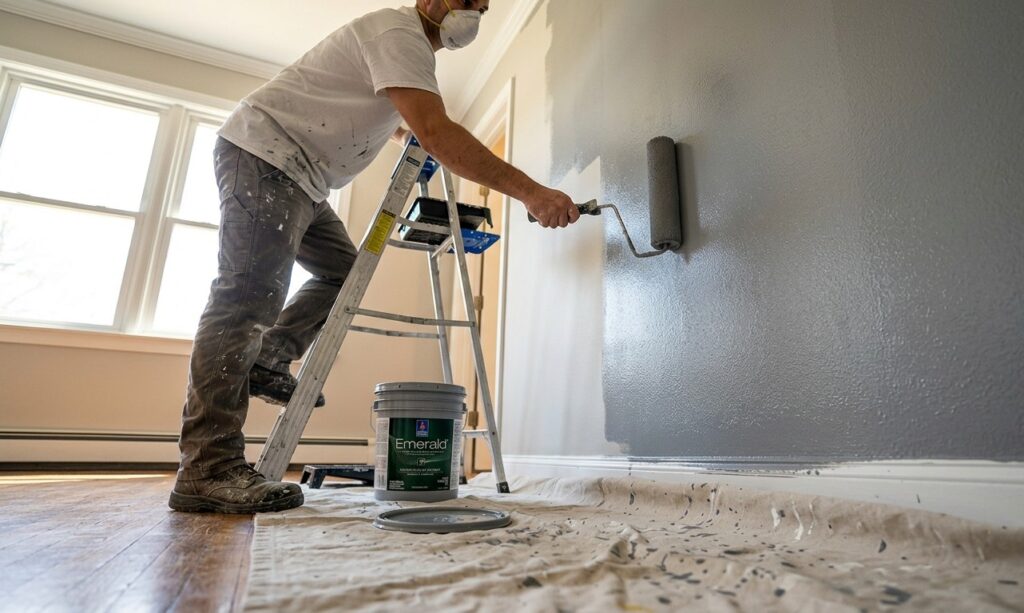
Low-VOC paints significantly reduce chemical emissions, but proper ventilation during painting is still recommended to maintain good indoor air quality.
Drying time is similar to traditional latex paints. Most products dry to the touch within one to two hours and fully cure within about 24 hours.
Zero-VOC paints release the smallest amount of emissions and are ideal for households concerned about indoor air quality or chemical sensitivities.
Yes. Modern low-VOC paints are designed to deliver smooth finishes, strong adhesion, and long-lasting color when applied correctly.
In many cases, yes. Primer helps paint adhere properly and improves coverage, especially when painting over dark colors or stained surfaces.
Low-VOC and zero-VOC paints offer a cleaner, more practical approach to interior painting. They reduce chemical emissions, improve indoor air quality, and minimize lingering odors without compromising durability or finish quality.
With the right products and proper application, you can achieve a long-lasting, professional result that supports a healthier living environment. Glastonbury Professionals House Painters delivers expert interior painting services focused on both performance and comfort.