
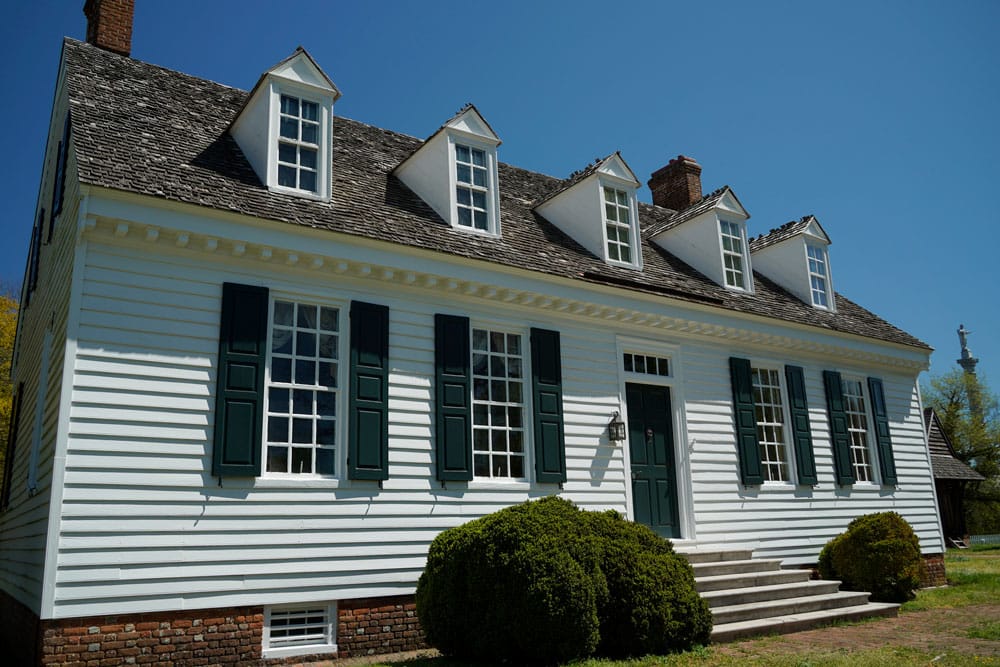
Exterior paint does more than improve curb appeal. It protects siding, trim, and other exterior surfaces from moisture, sunlight, temperature swings, and long-term weather damage.
In Connecticut, where homes experience humid summers, rain, snow, and freeze-thaw cycles, exterior paint durability becomes even more important.
Homeowners researching exterior painting in Glastonbury, CT, should look closely at surface preparation, moisture control, product quality, timing, and maintenance.
What’s In This Guide
- What Affects How Long Exterior Paint Lasts?
- How Proper Surface Preparation Helps Paint Last Longer
- Why Connecticut Weather Can Be Tough on Exterior Paint
- How to Prepare Your Home for Residential Exterior Painting
- Best Time of Year for Exterior Painting in Glastonbury, CT
- Paint Quality, Primer, and Application Matter
- Maintenance Tips That Extend Exterior Paint Life
- Frequently Asked Questions (FAQs)
- Protect Your Home With a Longer-Lasting Exterior Paint Job
Quick Facts
- Moisture and freeze-thaw cycles can cause paint failure.
- Prep work is key to strong paint adhesion.
- Late spring to early fall is often best for exterior painting in CT.
- Quality paint and primer help prevent fading, cracking, and peeling.
- Routine maintenance helps exterior paint last longer.
What Affects How Long Exterior Paint Lasts?
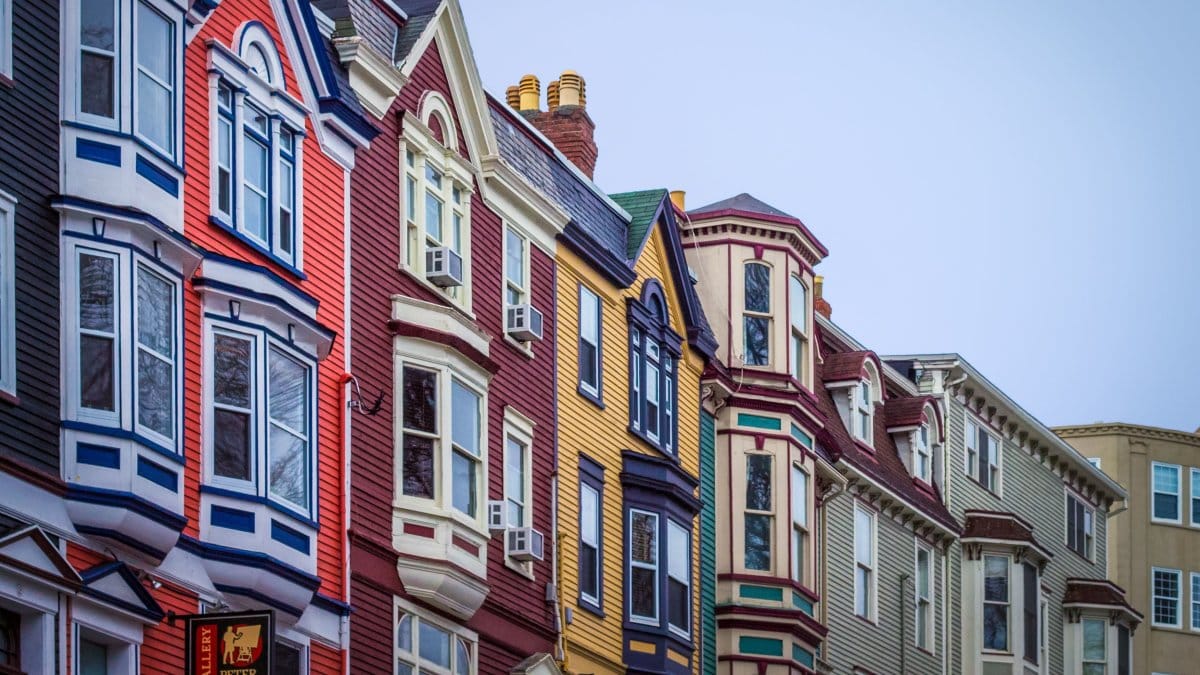
Several factors influence the lifespan of a residential exterior painting project.
Surface Material
Different materials hold paint differently. Wood siding typically requires more maintenance because it expands and contracts with moisture changes. Fiber cement and properly prepared masonry often provide longer-lasting results.
Moisture Exposure
Water is one of the biggest causes of paint failure. Leaking gutters, poor drainage, clogged downspouts, and shaded areas can trap moisture against siding and trim. Over time, this may lead to peeling, blistering, mildew, and wood rot.
Sunlight and UV Exposure
Direct sunlight gradually breaks down paint binders and pigments. South- and west-facing walls often fade faster due to prolonged UV exposure.
Existing Paint Condition
Painting over loose, chalking, or cracked paint shortens the life of a new coating. Stable surfaces are essential for proper adhesion.
Application Quality
Experienced exterior house painters understand how weather conditions, prep work, primers, and drying times affect durability. Even premium paint can fail early if applied incorrectly.
How Proper Surface Preparation Helps Paint Last Longer
Surface preparation is one of the most important parts of residential exterior painting. In many cases, prep quality has a greater impact on longevity than paint brand alone.
Cleaning the Surface
Exterior walls collect dirt, pollen, mildew, and chalky residue over time. These contaminants interfere with paint adhesion and should be removed before painting begins.
Scraping and Sanding
Loose or peeling paint must be scraped away. Sanding smooths rough edges and creates a more stable surface for primer and paint.
Repairing Damaged Areas
Damaged trim, cracked caulk, and rotted wood should be repaired before painting. Covering damaged surfaces without repairs often leads to recurring issues.
Priming Bare Surfaces
Primer helps paint bond properly and improves durability, especially on bare wood, patched areas, or surfaces exposed to moisture.
MORE ON THIS TOPIC: What Will Be the Cost of Painting a House?
Why Connecticut Weather Can Be Tough on Exterior Paint
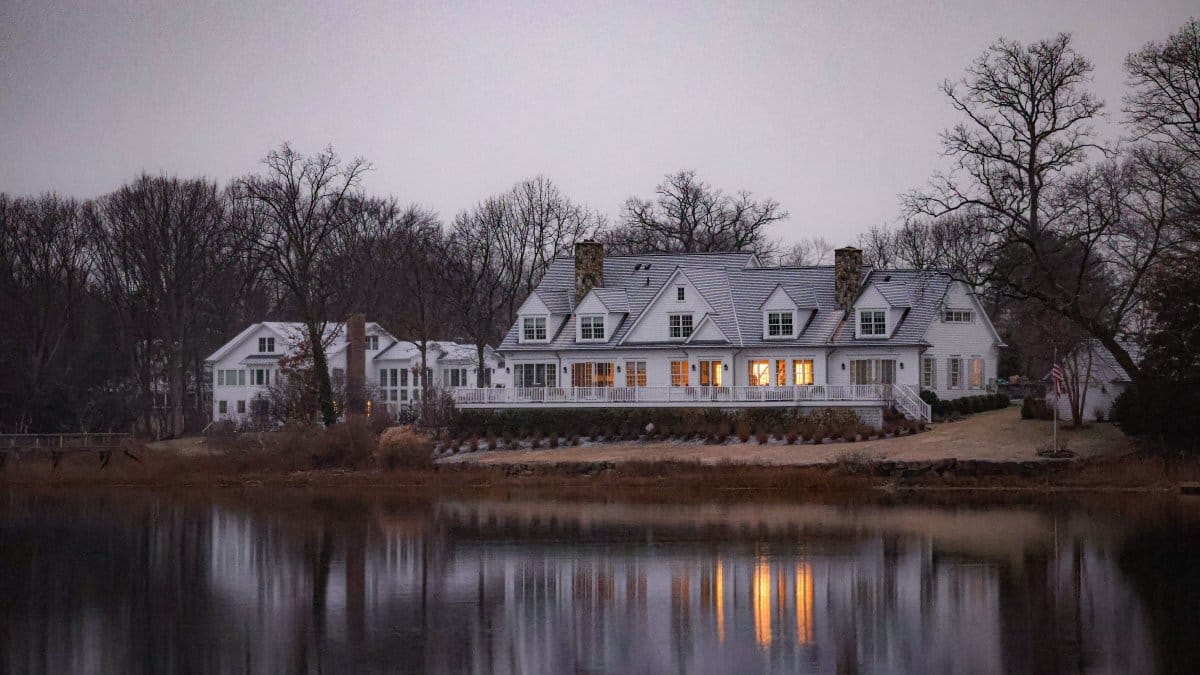
Exterior painting in CT requires careful planning because local weather can be hard on painted surfaces.
Connecticut experiences significant seasonal temperature fluctuations. During winter, freeze-thaw cycles can cause materials like wood and caulk to expand and contract repeatedly. This movement stresses paint films and may lead to cracking.
How to Prepare Your Home for Residential Exterior Painting
Step 1: Inspect the Exterior
Check for peeling paint, cracked caulk, mildew, water stains, and soft wood. Pay close attention to trim, windows, gutters, and shaded sides of the house.
Step 2: Address Moisture Problems
Fix leaking gutters, clogged downspouts, and drainage issues before painting. Trim shrubs and trees away from siding to improve airflow.
Step 3: Clean the Exterior
Wash away dirt, mildew, and debris. Clean surfaces help paint adhere more evenly and reduce premature failure.
Step 4: Repair and Prime
Replace damaged wood and apply primer where needed. Proper sealing helps protect vulnerable surfaces from moisture infiltration.
Step 5: Paint During Favorable Weather
Exterior painting should generally be done during dry conditions with moderate temperatures. Excess humidity, rain, or extreme temperatures can interfere with curing.
Best Time of Year for Exterior Painting in Glastonbury, CT
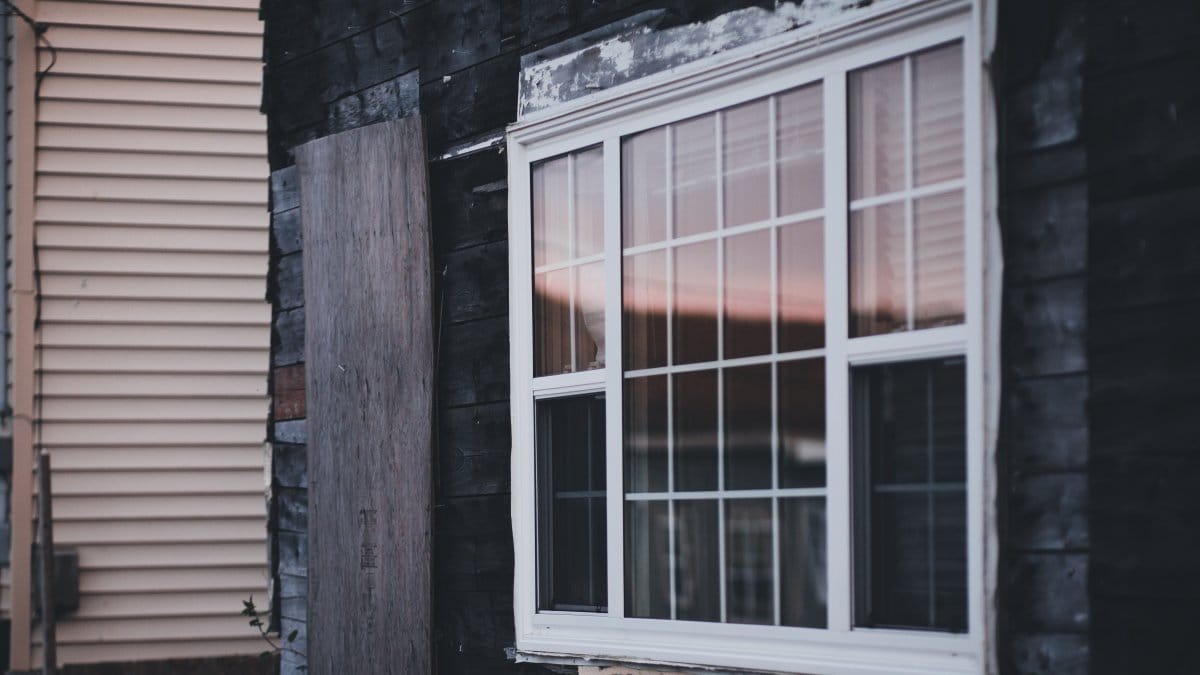
Late spring through early fall is often the preferred season for exterior painting in CT. These months usually provide better drying conditions and more consistent temperatures.
However, weather timing still matters. Morning dew, rain forecasts, and humidity levels should always be considered before starting a project.
Most exterior paints have manufacturer-recommended temperature ranges for application and curing. Painting outside those ranges can reduce adhesion and durability.
Homeowners should also remember that surfaces exposed to direct sun may heat up faster than surrounding air temperatures, affecting drying time and finish quality.
Paint Quality, Primer, and Application Matter
High-quality exterior coatings are designed to resist fading, cracking, and moisture penetration more effectively than lower-grade products.
Primer also plays a major role, especially on repaired areas and porous surfaces. It creates a more uniform base and improves topcoat adhesion.
Application methods matter, too. Proper brushing, rolling, spraying, and back-brushing help create even coverage and stronger adhesion.
Professional exterior house painters also allow sufficient drying and curing time between coats. Rushing the process may compromise durability.
Maintenance Tips That Extend Exterior Paint Life
Routine maintenance can significantly extend the life of exterior paint.
- Wash siding periodically to remove dirt and mildew.
- Keep gutters and downspouts functioning properly.
- Trim landscaping away from painted surfaces.
- Inspect caulk around windows and doors annually.
- Touch up small chips or cracks before moisture penetrates the surface.
- Check exterior walls after severe storms and winter weather.
Preventive maintenance often reduces the need for larger repairs later.
Frequently Asked Questions (FAQs)
What type of paint finish is best for exterior siding?
Satin or low-sheen finishes are commonly used for siding because they offer a balance of durability, washability, and surface coverage. Glossier finishes are often better for trim, doors, and high-contact areas.
Should old exterior paint be completely removed before repainting?
Not always. Only loose, peeling, or failing paint needs to be removed. Sound existing paint can usually remain if it is cleaned, sanded, and properly prepared.
How does shade affect exterior paint performance?
Shaded areas dry more slowly and may hold moisture longer, which can increase the risk of mildew, staining, and premature coating failure.
Does caulking affect how long exterior paint lasts?
Yes. Failed or missing caulk can allow water into gaps around windows, doors, trim, and siding joints. Proper caulking helps reduce moisture intrusion and supports longer paint life.
Can exterior paint help protect wood siding?
Yes. A properly applied exterior coating helps reduce direct exposure to sunlight and moisture, both of which can contribute to wood weathering and surface deterioration.
Protect Your Home With a Longer-Lasting Exterior Paint Job
Exterior paint longevity depends on several connected factors, including surface preparation, moisture control, weather conditions, paint quality, and ongoing maintenance.
For homeowners considering exterior painting, Glastonbury Professionals House Painters can help evaluate exterior conditions and recommend durable solutions suited to local weather patterns.