
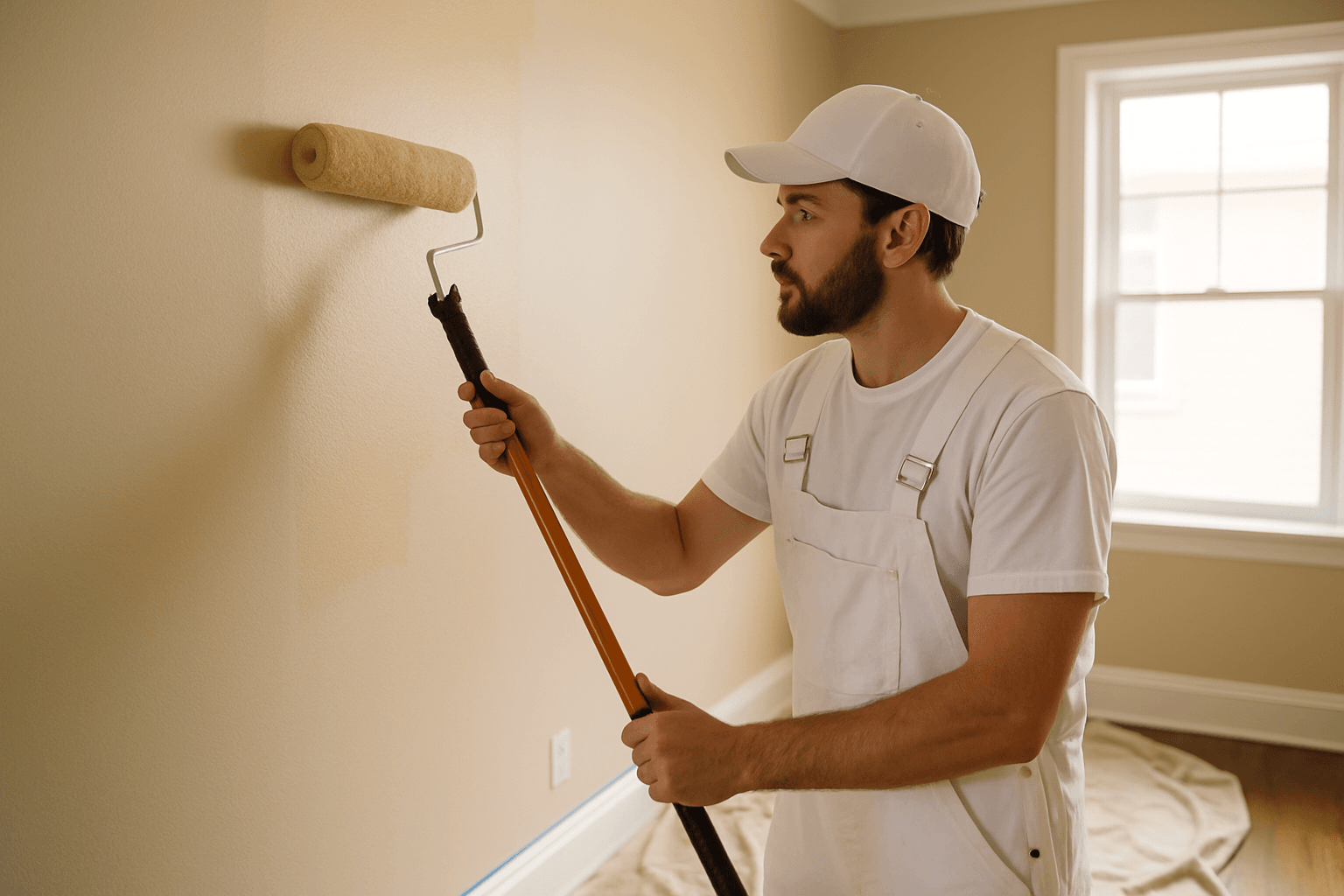
The cost to paint interior of house projects typically ranges from $1,500 to $4,000 for an average-sized home. However, the final number shifts based on square footage, room count, paint quality, and labor rates in your area. Understanding what drives that number helps you budget accurately and avoid surprises when quotes start coming in.
Key Takeaways
- Interior painting costs vary widely based on square footage, number of rooms, ceiling height, and surface condition.
- Labor typically makes up the largest share of a painting project’s total cost.
- Premium paints cost more upfront but often reduce the number of coats needed and extend the life of the finish.
- Proper prep work, including patching, priming, and cleaning, directly affects how long the paint job lasts.
- Getting multiple quotes from licensed, insured contractors gives you a realistic price baseline for your specific home.
- Low-VOC and zero-VOC paint options are widely available and may be worth prioritizing in bedrooms and living areas.
Table of Contents
- What Drives the Cost to Paint Interior of House
- Average Price Ranges by Room Type
- Labor vs. Materials: Where Your Money Goes
- Factors That Can Push the Cost to Paint Interior of House Higher
- Things to Know
- Book Your Interior Painting Estimate Today
- Frequently Asked Questions
What Drives the Cost to Paint Interior of House
No two homes are priced the same, even if they have a similar square footage. Several distinct variables determine what a contractor will quote you.
Square footage and room count are the most straightforward factors. Painters typically price by the square foot of paintable wall surface, not total floor space. Hallways, stairwells, and rooms with lots of windows reduce the paintable area. Additionally, a home with many small rooms actually takes longer to paint per square foot than an open-concept floor plan. Each room requires separate setup, masking, and cleanup.
Ceiling height adds cost quickly. Standard 8-foot ceilings are simple. However, vaulted ceilings, two-story foyers, or stairwells above 10 feet require ladders, scaffolding, or extension poles. These factors add both time and safety considerations to the job.
Surface condition matters a lot. If your walls have cracks, holes, water stains, or old textured finishes that need addressing, prep time increases. Contractors factor this into their quotes. Therefore, a home with well-maintained drywall will generally come in lower than one needing significant repair work before paint is applied.
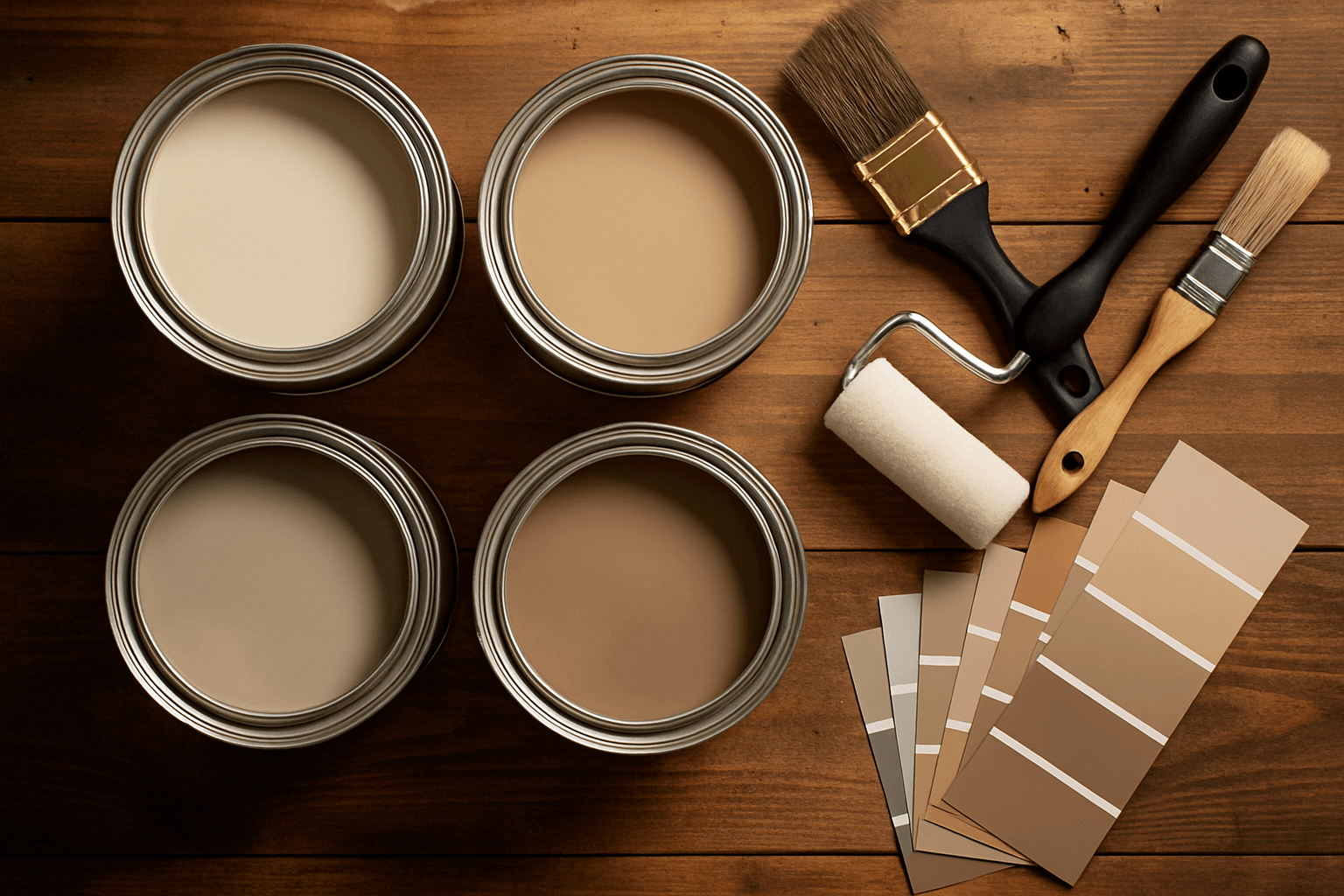
Paint quality and sheen affect material costs. A basic contractor-grade paint might run $25 to $40 per gallon. In contrast, premium paints from brands like Sherwin-Williams or Benjamin Moore often run $60 to $90 or more per gallon. The sheen you choose—flat, eggshell, satin, or semi-gloss—also plays a role in both cost and durability.
Average Price Ranges by Room Type
Here is a general breakdown of what you might expect to pay per room. These are national estimates. Actual costs in Connecticut and the Hartford County area may differ based on local labor rates and project complexity.
| Room Type | Estimated Cost Range |
|---|---|
| Bedroom (standard) | $300 – $750 |
| Living room | $600 – $1,500 |
| Kitchen | $400 – $900 |
| Bathroom | $150 – $400 |
| Hallway / stairwell | $300 – $900 |
| Full home (1,500–2,500 sq ft) | $1,500 – $4,500 |
These ranges assume two coats of paint, standard ceiling height, and surfaces in reasonable condition. Projects requiring heavy prep, specialty finishes, or accent walls will trend toward the higher end.
Labor vs. Materials: Where Your Money Goes
Labor consistently makes up the largest share of any interior painting project. In most estimates, labor accounts for roughly 70 to 80 percent of the total cost. Materials cover the remainder. That ratio explains why painting yourself saves money in theory. However, professional painters work faster and produce cleaner edges. Moreover, they handle prep in ways that extend the life of the finish considerably.
When you hire a professional, you are paying for more than just time. You are paying for proper masking and protection of surfaces. Additionally, you gain knowledge of how many coats a specific wall actually needs. As a result, professionals spot issues like moisture damage or failing primer before they become bigger problems later.
Paint selection also affects your budget in ways that are easy to overlook. For example, understanding why low voc and zero voc paints are changing interior painting reveals that these have become a modern standard with more accessible options. However, premium low-VOC formulas can cost more per gallon than standard options. For homes with children, elderly residents, or anyone with respiratory sensitivities, the investment is typically worthwhile.
It is also worth comparing what you spend on interior work against outdoor projects. Moreover, if you are planning both, looking at exterior painting glastonbury ct lasting paint tips can help you understand how exterior costs and prep requirements differ from interior work. Therefore, you can sequence and budget both projects more effectively.
Factors That Can Push the Cost to Paint Interior of House Higher
Beyond the baseline variables, a few specific situations reliably increase the final quote.
Painting over dark or bold colors requires more coats to achieve even coverage. For example, if you are going from deep charcoal to off-white, expect the material and labor cost to rise.
Trim, doors, and ceilings are often priced separately. Painting baseboards, window casings, and door frames requires fine brush work and extra masking time. Many homeowners forget to account for these surfaces when budgeting. As a result, they can add $500 to $1,000 or more to a whole-home project.
Primer requirements add both material and time costs. New drywall, repaired surfaces, or walls switching from a dark to light color typically require a separate primer coat before the finish paint goes on.
Number of colors also matters. A single consistent color throughout the home is more efficient than a project with five or six different colors in different rooms. Additionally, each color requires separate loading, cleaning, and careful transitions.
For homeowners in Glastonbury and Hartford County, working with a contractor who specializes in interior painting glastonbury ct cleaner smoother project means getting an accurate scope of work before any brushes come out. Therefore, this is the clearest way to avoid budget surprises mid-project. Moreover, if you are also considering a coordinated exterior refresh, exploring blue exterior paint colors for homes in glastonbury ct gives you a sense of how popular color families translate to curb appeal alongside your interior work.
Things to Know
- Painting costs vary by season. For example, some contractors offer lower rates during slower months, typically late fall and winter, when interior work demand drops.
- Getting three quotes is standard practice. This gives you a realistic price range and helps you identify bids that are unusually low, which may signal shortcuts on prep or materials.
- Licensed and insured contractors matter. Glastonbury Professionals House Painters is licensed, insured, and bonded. As a result, that status protects you from liability if something goes wrong during the project.
- Paint drying time affects your schedule. Most interior latex paints require 24 hours between coats and 30 days to fully cure. Therefore, heavy cleaning or furniture placement should wait.
- Color samples on the actual wall save money. Lighting in a store or on a screen reads very differently once paint is on your walls. Testing samples before committing avoids expensive repaints.
Book Your Interior Painting Estimate Today
Glastonbury Professionals House Painters has served Hartford County homeowners for over 20 years. We bring licensed, insured expertise to every interior project. If you are ready to get accurate numbers for your home, stop guessing and start with a real conversation. Request your free estimate now and get a transparent, itemized quote from a team that knows the Glastonbury market.
Fill out the contact form today and get your personalized interior painting estimate within 24 hours.
Frequently Asked Questions
Q: How is the cost to paint interior of house typically calculated?
Most contractors price interior painting by the square foot of paintable wall surface, the number of rooms, and total labor hours estimated for the job. The condition of your walls, the number of coats required, and paint quality all feed into the final number. Asking for an itemized quote makes it easier to understand what each line item covers.
Q: Is it cheaper to paint one room at a time or the whole house at once?
Painting the whole house in one project is almost always more cost-efficient per square foot than tackling rooms individually over time. Contractors spend less time on setup, travel, and mobilization when they complete a full home at once. Therefore, spreading work across several smaller projects means paying those setup costs each time.
Q: How long does a full interior painting project typically take?
A full interior project for a standard 1,500 to 2,500 square foot home generally takes two to five days with a professional crew. The timeline depends on the number of colors, the amount of prep work needed, and drying time between coats. Your contractor should give you a schedule estimate before work starts.
Q: Should I move furniture before the painters arrive?
You should move smaller, valuable, or fragile items out of rooms being painted. However, most professional crews handle larger furniture by moving and covering it on-site. Confirm this with your contractor beforehand, as practices vary. Clearing as much as possible ahead of time speeds up the job and reduces the risk of accidental damage.
Q: Does the type of paint finish affect the overall cost?
Yes, higher-sheen finishes like semi-gloss and satin typically cost slightly more per gallon and require more precise application, which can add to labor time. Flat and matte finishes are easier to apply and often used on ceilings and low-traffic areas. In contrast, harder-wearing sheens are recommended for kitchens, bathrooms, and trim where durability matters more.