
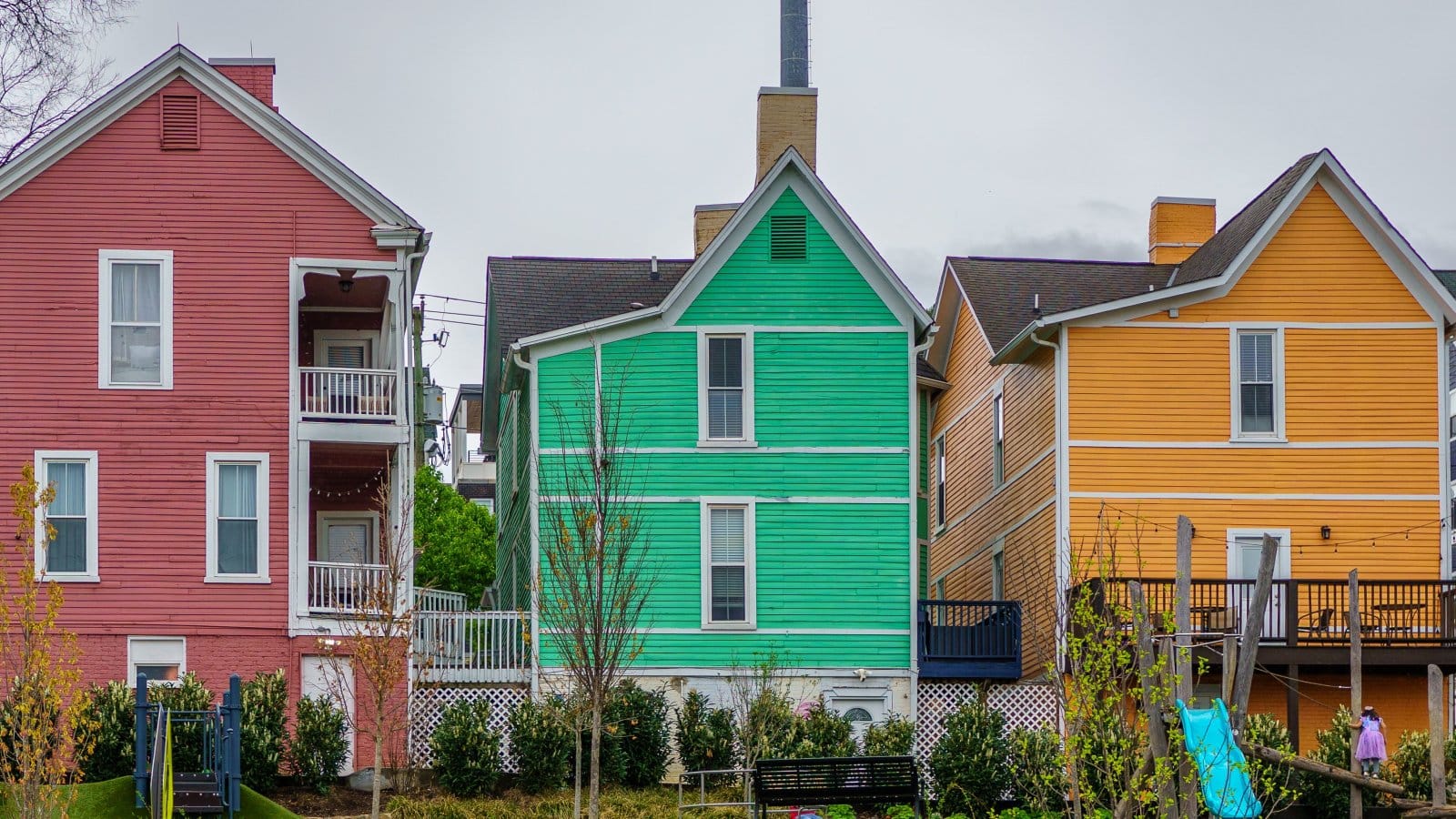
Choosing the right exterior paint color comes down to two core factors: your home’s fixed architectural elements and the visual impression you want to make from the street. Get these two things right, and you will avoid the most common and costly mistakes homeowners make when repainting.
Table of Contents
- Why Exterior Color Is More Complex Than It Looks
- Start With Your Fixed Elements
- What the Data Says About Popular Colors
- How Resale Value Fits Into the Decision
- Testing Colors Before You Commit
- Things to Know
- Boost Your Home’s Curb Appeal With Professional Color Guidance
- Frequently Asked Questions
Why Exterior Color Is More Complex Than It Looks
Most homeowners underestimate how different a paint chip looks compared to a full wall under natural light. A soft gray swatch in the store can read almost lavender on a north-facing wall in January. A warm beige can look orange against certain brick. The stakes are also financial. According to HIRI’s 2025 Project Decision Study, among homeowners spending at least $5,000 on home improvement projects, the median exterior paint spend was $8,000, with an average spend of just under $12,000. That is not the kind of purchase you want to redo in two years because the color felt off.
Before you even open a fan deck, it helps to understand what drives a good exterior color decision: fixed elements, neighborhood context, light exposure, and how you plan to use the home going forward.
Start With Your Fixed Elements
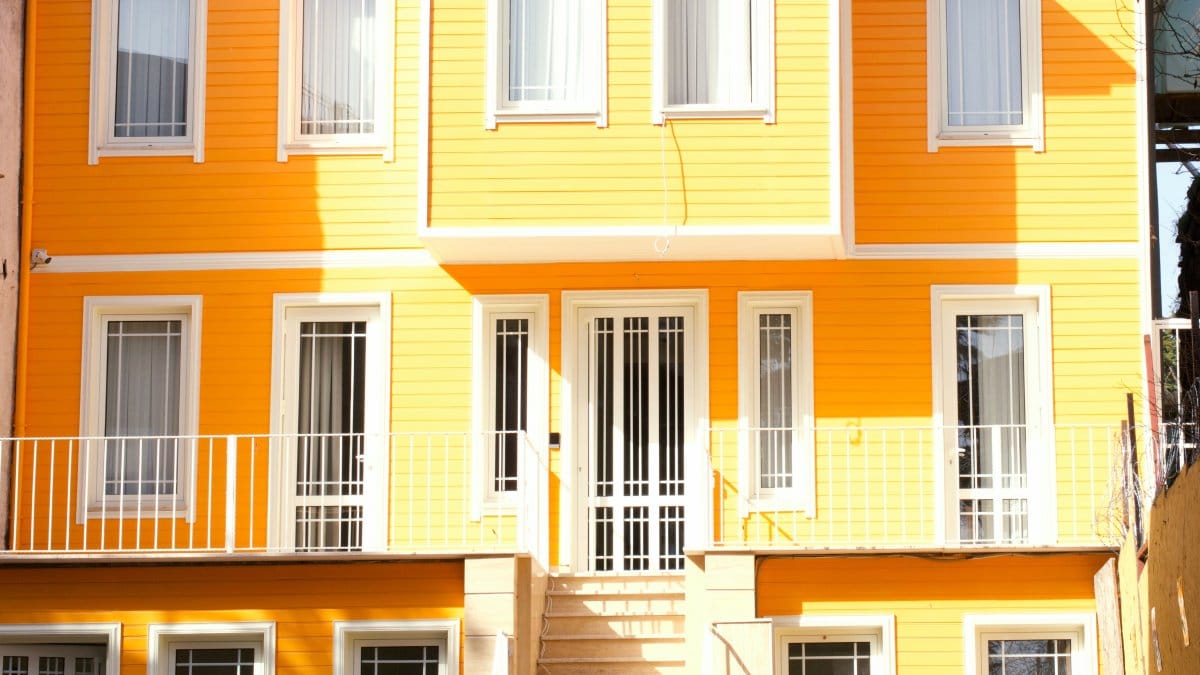
Your fixed elements are the parts of your home that are not changing with the paint job: the roof color, brick or stonework, concrete, and driveway material. These form the color palette you are working within, not around.
Here is how to build your color scheme from those anchor points:
- Roof color: If your roof is charcoal or dark gray, you have wide flexibility with siding colors ranging from white to navy to sage. A warm brown or terra cotta roof narrows things to earthy tones.
- Brick or stonework: Warm-toned brick (red, orange, tan) pairs best with creams, tans, and soft greens. Cool-toned stone works well with grays, whites, and blues.
- Window and door frames: These often get painted as part of the project, so they offer flexibility. According to a Zillow 2024 survey, 36% of respondents chose white for window colors, making it the clear front-runner for trim.
- Hardscaping: Concrete walkways and driveways carry undertones (warm or cool) that you should factor in when pulling a final swatch.
Once you have mapped your fixed palette, narrow your siding color choices to two or three candidates that complement rather than fight those existing tones.
What the Data Says About Popular Colors
Homeowner preferences around exterior color have been tracked closely in recent years, and the findings are consistent. According to Alside’s third annual Harris Poll survey, off-white and cream remained the most popular siding color at 18% in 2025. A separate study cited by Builder Online found that 40% of homeowners surveyed would choose a timeless neutral for updating their home exterior, with that number rising to 42% in 2025 data.
There is a reason neutrals dominate. They age well, they appeal broadly, and they tend to complement nearly any roof or trim color you pair them with. On the other end of the spectrum, red is consistently the color homeowners want to avoid: 33% of respondents said red is the color they would most likely skip for exterior updates in 2025, according to Fixr.com’s 2024 Paint and Color Trends Report.
For homeowners who want something beyond neutral, deep blues, soft greens, and warm gray-toned taupe are currently popular choices that still photograph well and hold resale appeal.
How Resale Value Fits Into the Decision
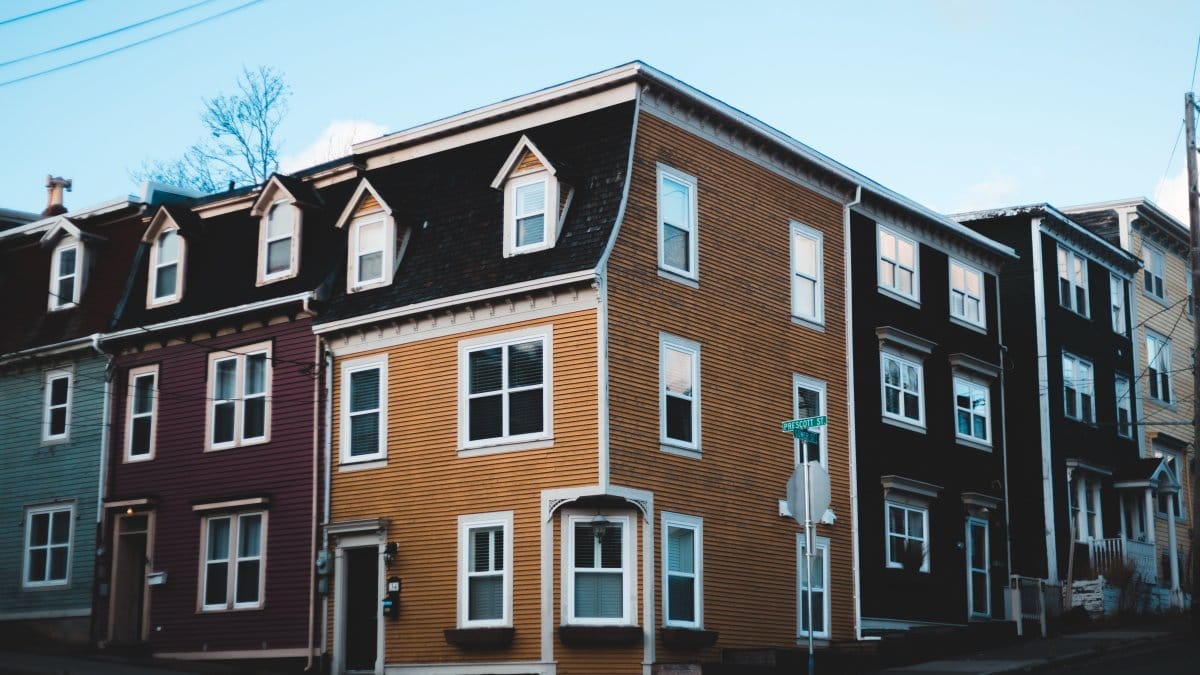
If you are painting before listing your home, color strategy shifts slightly toward what appeals to the broadest pool of buyers. According to Fixr.com’s December 2023 survey of 71 design and home staging professionals, 49% of top experts recommend whites as the best exterior color when selling a home.
It is also worth noting the impact of accent colors. Zillow’s 2024 survey found that homes with glossy black front doors showed a buyer-perceived value boost of roughly $6,000. That is a relatively low-cost change with measurable impact. Black and deep charcoal accents on shutters, doors, and trim can elevate an otherwise simple neutral palette.
If you are trying to figure out the cost to paint exterior of house before budgeting for your repaint, getting that number nailed down early helps you decide how much color experimentation is realistic within your project.
Testing Colors Before You Commit
No amount of swatches or online visualizers fully replaces seeing a real paint sample on your actual home. The standard recommendation from most professional painters is to test at least two to three colors by painting a roughly 2-by-2-foot section on different walls of your home. Observe those patches at multiple times of day and in different weather conditions.
A few practical tips for testing:
- Test samples on walls with different sun exposures (south-facing walls are much brighter than north-facing ones).
- Leave the test patches up for at least 48 hours before deciding.
- Step back to the street and look at them from the same distance passersby will see them.
- Photograph your tests in morning, midday, and evening light on your phone so you can compare them side by side.
Keep in mind that the color of the surface underneath will influence how your sample reads, especially on older homes. A knowledgeable painter can help you spot those variables before they become problems.
For homeowners planning interior projects at the same time, understanding the cost to paint interior of house alongside the exterior can help prioritize your renovation budget smartly. And if you are refreshing other spaces while you are at it, resources on how to paint kitchen cabinets or even tips on how to paint over wallpaper can help you approach those separate challenges with the right technique.
Things to Know
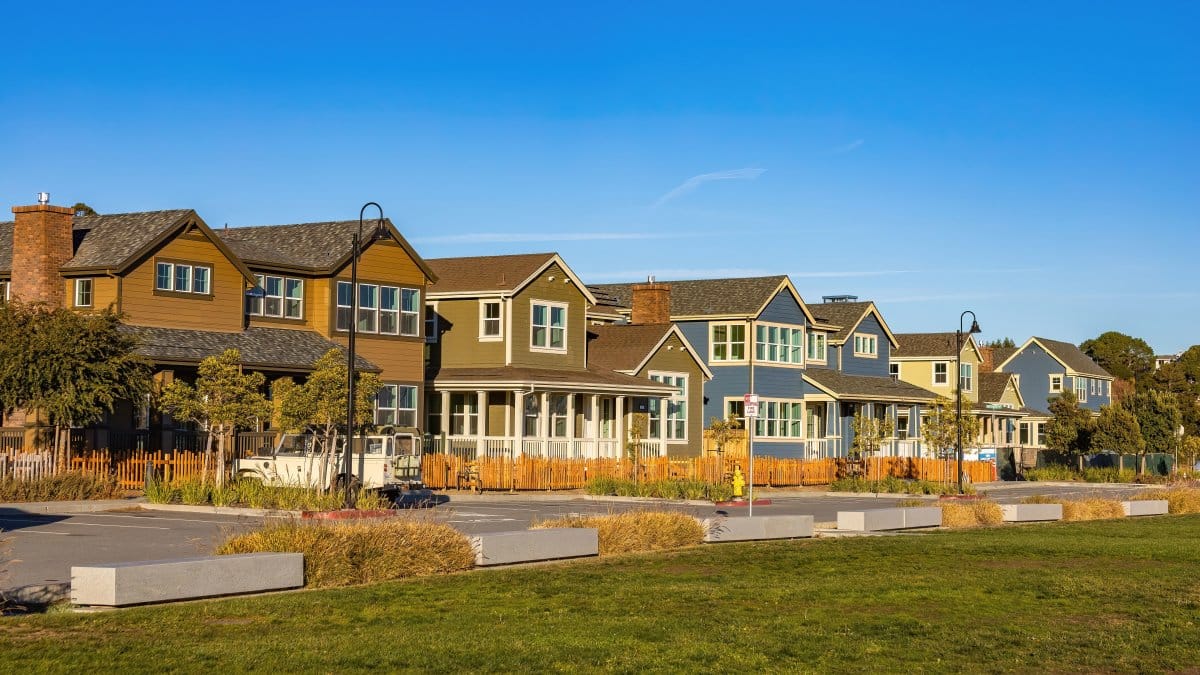
- The finish you choose matters almost as much as the color. Satin and eggshell finishes hold up better outdoors and resist dirt and mildew better than flat finishes.
- HOA rules in many Connecticut communities restrict exterior color choices. Check your CC&Rs before committing to anything unconventional.
- Darker colors absorb more heat, which can accelerate paint degradation on sun-exposed walls. This is worth factoring into your color decision if your home gets heavy direct sun.
- Two-tone color schemes (different body and trim colors) read better on homes with architectural detail. On simpler facades, a tonal approach using shades of one color often looks more intentional.
- Lighting changes dramatically between seasons in New England. A color that looks warm in summer may appear noticeably cooler during winter months.
Boost Your Home’s Curb Appeal With Professional Color Guidance
At Glastonbury Professionals House Painters, we have helped Hartford County homeowners navigate color decisions for over 20 years. A wrong color choice can cost you significantly in repainting costs and lost resale value, but the right one pays dividends for years.
Request a free estimate today and let our licensed, insured, and bonded team walk you through a color consultation alongside your exterior project quote. Tell us your home’s fixed elements and your goals, and we will help you narrow it down to a palette that works.
Frequently Asked Questions
Q: How many exterior paint colors should a house have?
Most homes look best with two to three colors: one for the body, one for the trim, and optionally one for the front door or shutters.
Using more than three colors on a standard residential exterior tends to create visual clutter. Keeping it simple makes the architecture read more clearly and photographs better for listings.
Q: Does exterior paint color affect home resale value?
Yes, color choice can meaningfully influence buyer perception and, in some cases, their willingness to offer more.
According to Zillow’s 2024 data, a glossy black front door alone can boost buyer-perceived value by around $6,000. Staging experts also heavily favor white and neutral exteriors when preparing a home for sale.
Q: How do I know if my exterior color will look different once painted?
Paint always looks different at full scale on a real surface than it does on a small swatch in a store, so physical sample testing on your actual walls is essential.
Paint large sample patches on different sides of your home and observe them across different times of day. Your painter can also flag undertones that might shift the color more than expected based on your surface condition.
Q: Is it better to follow trends or go with a classic exterior color?
For most homeowners, a timeless neutral is the safer long-term choice, especially if you plan to sell within the next decade.
Survey data consistently shows that 40 to 42% of homeowners prefer timeless neutrals for exterior updates. Trendy colors can date your home quickly, while classic whites, creams, and warm grays tend to age gracefully.
Q: How often does an exterior need to be repainted?
Most exterior paint jobs last between 7 and 10 years depending on the climate, surface material, and quality of the paint and preparation work.
In New England, harsh winters and temperature swings can shorten that window, especially on wood siding. Using high-quality exterior paint and ensuring proper surface prep before painting extends the life of your finish significantly.