
Knowing how to remove old paint from wood correctly protects the surface beneath and sets the stage for a lasting finish. The method you choose depends on the wood type, paint age, and whether lead paint is a concern. Whether you tackle the work yourself or hire a professional, proper preparation is essential.
Table of Contents
- Why Removing Old Paint From Wood Matters
- Check for Lead Paint First
- The Three Main Methods for Removing Old Paint From Wood
- How Much Does Paint Removal Cost?
- Things to Know
- When to Hire a Professional for Paint Removal
Key Takeaways
- Always test for lead paint before stripping any surface in a home built before 1978.
- Chemical strippers, heat guns, and sanding each have distinct strengths depending on the project scale and wood type.
- Professional paint removal averages between $9 and $12 per square foot, according to Angi (2026).
- Eco-friendly, low-VOC strippers now hold 28% of North American sales and are a strong choice for indoor projects.
- Proper surface prep after stripping is just as important as the removal itself.
- Hiring a licensed contractor makes the most sense for large surfaces, historic trim, or confirmed lead paint situations.
Why Removing Old Paint From Wood Matters
Skipping proper paint removal is one of the most common mistakes homeowners make before repainting. When you layer new paint over old, peeling paint, adhesion failures occur. This leads to bubbling and a finish that won’t last more than a season or two. That’s especially true on exterior surfaces exposed to moisture, UV, and temperature swings.
The paint removal market reflects just how widespread this challenge is. According to Market Research Future (2024), the global paint remover market was valued at $7.861 billion in 2024. Moreover, it is projected to reach $11.13 billion by 2035, growing at a CAGR of 3.21%. The residential segment alone will command 33.8% of the paint remover market in 2026, according to Coherent Market Insights (2025).
Additionally, good prep work translates directly into a better, longer-lasting coat of paint. Whether you’re refreshing interior trim or prepping a porch railing, the results speak for themselves. If you’re also thinking about how to paint interior doors, proper stripping of old layers is step one before any new color goes on.
Check for Lead Paint First
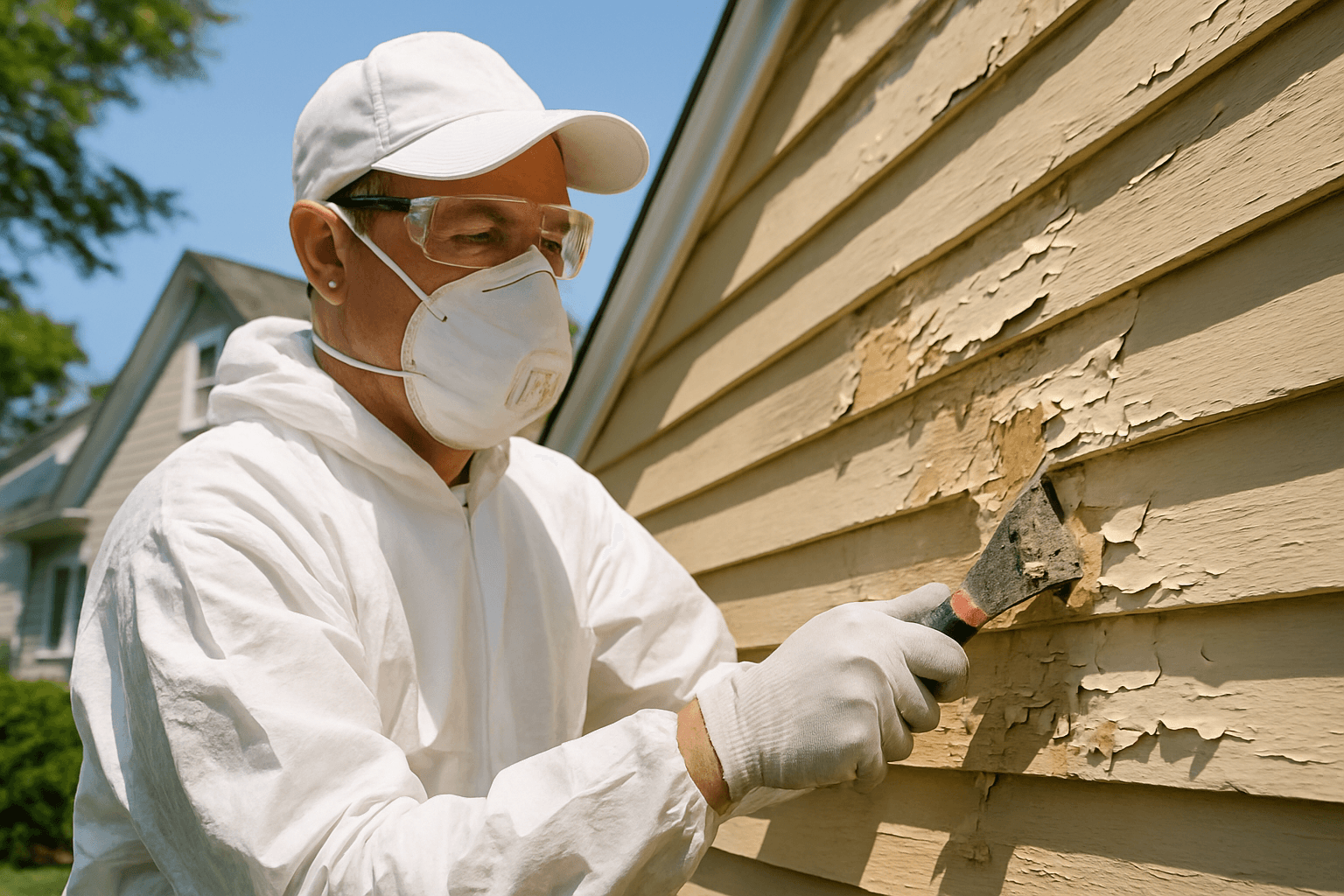
Before reaching for a scraper or heat gun, this step is non-negotiable. Homes built before 1978 very likely contain lead-based paint. When you disturb that paint through sanding, scraping, or heating, you release lead dust. This is a serious health hazard, especially for children and pregnant women.
The EPA’s Renovation, Repair, and Painting (RRP) Rule requires that contractors working in pre-1978 homes follow lead-safe work practices. Furthermore, for homeowners doing DIY work, the EPA recommends using an at-home lead test kit available at most hardware stores. Alternatively, you can hire a certified lead inspector. If lead is confirmed, consult a licensed lead abatement contractor rather than attempting removal yourself.
The Three Main Methods for Removing Old Paint From Wood
Each method works best in specific situations. Here’s a practical breakdown to help you choose.
Chemical Strippers for Removing Old Paint From Wood
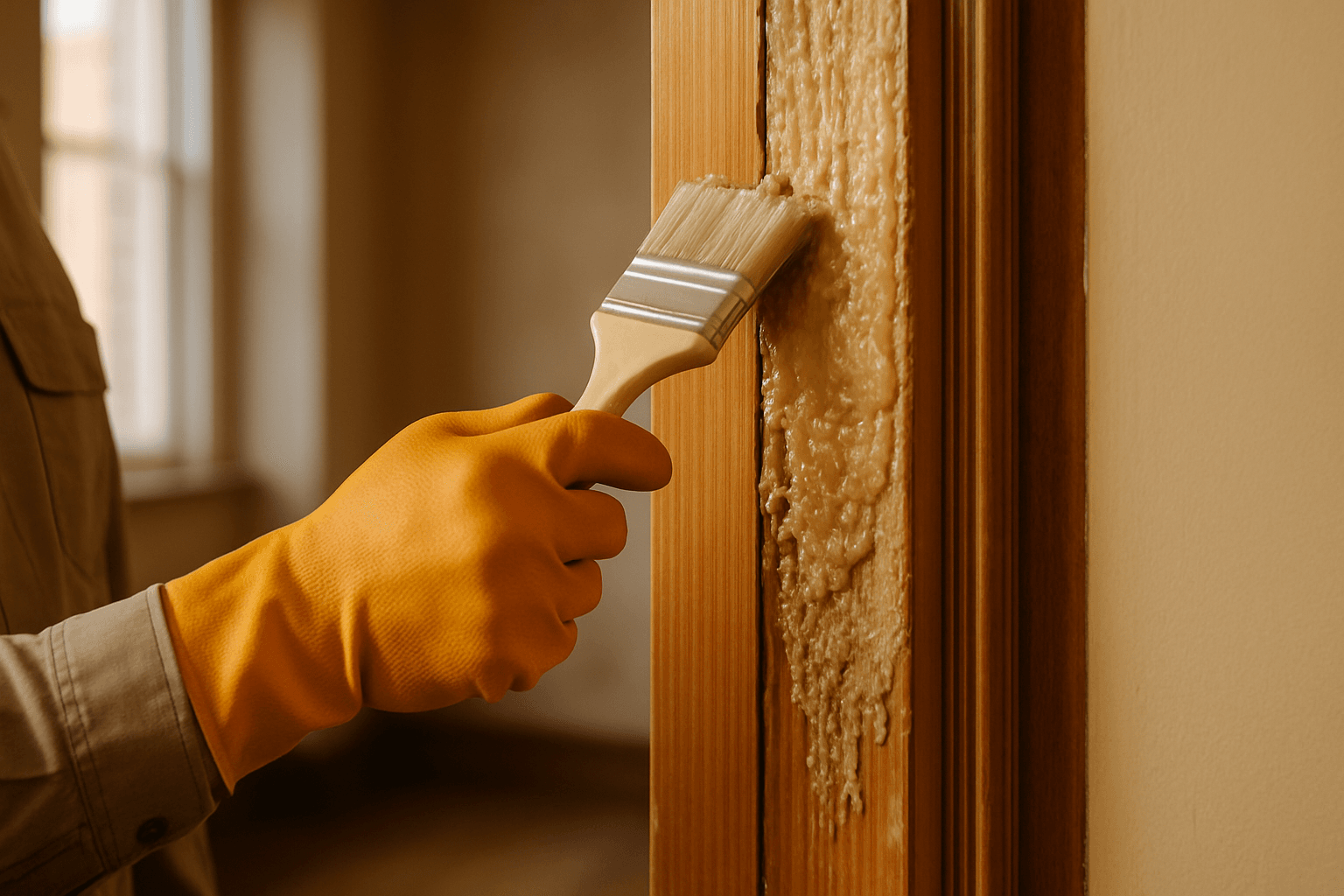
Chemical strippers are the most accessible method for most DIYers. You apply a gel or paste to the painted surface. Wait for it to penetrate and lift the paint, then scrape it away. They work well on detailed molding, carved wood, and areas where sanding is impractical.
When choosing a product, pay attention to the formulation. Solvent-based removers currently dominate with 49.8% of market share in 2026, according to Coherent Market Insights (2025). However, they carry strong fumes and require good ventilation. Low-VOC formulations have climbed to 28% of North American sales. These cut VOC releases by roughly 9 million kg annually, according to Intel Market Research (2025). For indoor use, low-VOC or citrus-based strippers are worth the trade-off, even if they require a longer dwell time.
Key steps:
- Wear chemical-resistant gloves, safety goggles, and a respirator rated for organic vapors.
- Apply a thick, even layer of stripper.
- Cover with plastic sheeting and let it dwell per the manufacturer’s instructions (typically 30 minutes to several hours).
- Scrape gently with a plastic scraper to avoid gouging the wood.
- Neutralize residue with the recommended wash solution before painting.
Heat Guns for Paint Removal
A heat gun softens paint by directing concentrated heat at the surface. This makes it easy to scrape away. It’s faster than chemical stripping on large flat surfaces like clapboard siding or wide baseboards. Additionally, it leaves no chemical residue behind.
The downside is the risk of scorching wood if you hold the gun too close or too long. Keep the gun moving throughout the process. Work in small sections carefully. Never use a heat gun on surfaces confirmed or suspected to contain lead paint. Heat can volatilize lead particles and create dangerous airborne exposure.
Sanding and Mechanical Methods for Paint Removal
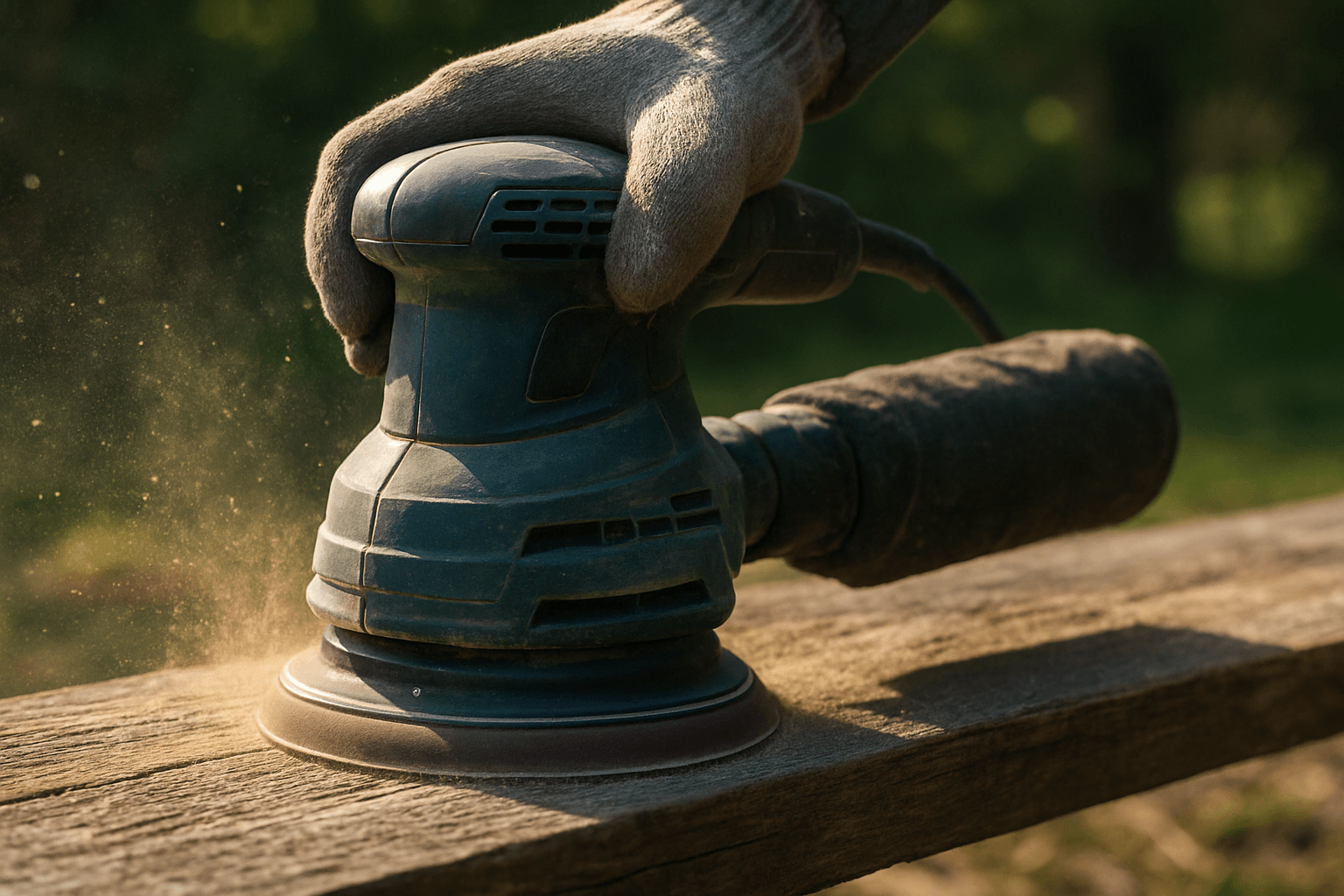
For thin paint layers or when you’re blending a repair into an existing painted surface, sanding is practical. Use an orbital sander for flat surfaces. Hand-sand for contoured areas with care. Start with a coarser grit (60-80) and step up to finer grits (120-180) before priming.
Mechanical sanding generates significant dust. Therefore, wear an N95 respirator at minimum and seal off adjacent areas. For anyone planning a full exterior repaint and exploring exterior house painting contractors near me, know that most professional crews use a combination of power washing, sanding, and scraping rather than a single method.
How Much Does Paint Removal Cost?
If you’re weighing DIY against hiring a pro, cost is a key factor. According to Angi (2026), removing paint from wood averages between $9 and $12 per square foot. The total bill depends on surface size, paint layers, accessibility, and whether lead abatement is required.
DIY costs are lower upfront but factor in tool rental or purchase, safety gear, chemical products, and your time. For small projects like a single door or a window frame, DIY is very manageable. In contrast, for full exteriors, multi-story siding, or historic trim work, professional help pays off in quality and safety.
| Method | Best For | Avg. DIY Cost | Professional Needed? |
|---|---|---|---|
| Chemical Stripper | Detailed trim, moldings | $30-$80 per project | Sometimes |
| Heat Gun | Large flat surfaces | $40-$120 (tool cost) | Lead paint: yes |
| Sanding/Mechanical | Thin layers, blending | $15-$60 in supplies | Rarely |
| Professional Service | Full exteriors, lead paint | $9-$12 per sq. ft. | Yes |
Things to Know
- Gel strippers cling better on vertical surfaces than liquid formulas. As a result, they reduce drips and wasted product.
- Neutralizing the wood after chemical stripping is essential. Skipping this step can prevent primer from bonding properly.
- Warm wood absorbs chemical strippers more effectively. Therefore, working in moderate temperatures (60-80°F) speeds up dwell time.
- Some older paints contain asbestos in addition to lead. If your home was built before 1980, consult a certified inspector before starting any removal project.
- After stripping, always inspect the bare wood for rot, cracks, or raised grain. Address these issues before priming for best results.
When to Hire a Professional for Paint Removal
Lead paint, large square footage, and historic woodwork are the three clearest signals to bring in a licensed contractor. At Glastonbury Professionals House Painters, we’ve been serving Hartford County homeowners for over 20 years. We’re licensed, insured, and bonded. Our crews handle full exterior prep, stripping, and repainting with attention to lead-safe practices where required.
We also understand that prep work shapes the entire project. Whether you’re refreshing best gray paint colors for living room woodwork or tackling a full porch overhaul, preparation matters. Good stripping work makes the final color land better, last longer, and look sharper. If you’re also exploring accent wall color ideas living room and want clean, properly prepped trim to frame your new colors, professional prep is the foundation.
Start Your Paint Removal Project Right
Ready to move from peeling paint to a fresh, durable finish? Request a free estimate from Glastonbury Professionals House Painters today. Our team assesses your surface and identifies any lead or safety concerns upfront. We deliver a clear plan before any work begins. Reach out now and get your project scoped by a licensed professional with over two decades of experience in Hartford County.
Frequently Asked Questions
Q: Is it always necessary to remove all old paint before repainting wood?
Not always, but it depends on the current paint’s condition.
If the existing paint is firmly adhered with no peeling, bubbling, or cracking, light sanding and cleaning may be sufficient. However, failing paint must be stripped completely to ensure the new coat bonds properly and lasts.
Q: Can I use a heat gun on lead paint?
No. Heat guns are not safe to use on lead paint.
Heating lead paint can vaporize lead particles and create a serious inhalation hazard. If lead paint is present, use a chemical stripper and follow EPA lead-safe work practices. Alternatively, hire a certified abatement professional.
Q: How long does it take for chemical stripper to work on wood?
Dwell time typically ranges from 30 minutes to several hours, depending on the product and paint layers.
Thick or multi-layer paint jobs may need a second application. Always follow the manufacturer’s instructions and test a small area first to gauge how quickly the product works on your specific surface.
Q: What’s the safest paint stripper for indoor use?
Low-VOC or citrus-based strippers are the safest option for enclosed spaces.
These formulations have lower fume levels than traditional solvent-based products. Even so, always ventilate the area well, wear a proper respirator, and keep the room aired out while the stripper is active.
Q: How do I know if my paint contains lead?
Use an EPA-recognized at-home lead test kit or hire a certified inspector.
These kits are available at most hardware stores for under $30. If your home was built before 1978, testing before any sanding, scraping, or stripping is strongly recommended by the EPA to protect your household.
The Bottom Line on How to Remove Old Paint From Wood
Knowing how to remove old paint from wood correctly is what separates a repaint that lasts a decade from one that starts failing within a year. Choose the right method for your surface and test for lead paint before you start. Neutralize and prep the bare wood before priming carefully. When the project is large or the risks are real, a licensed pro is the right call.