

Concrete may look solid enough to paint as-is, but its surface can hold dust, oil, moisture, weak cement paste, old coatings, and small defects that interfere with adhesion. For homeowners in Glastonbury, CT, proper preparation often determines whether a coating bonds well or starts peeling, blistering, or wearing unevenly.
Concrete painting contractors evaluate the surface before choosing a prep method, primer, or coating. That matters on garage floors, foundation walls, porches, steps, and other paintable concrete around a home.
Quick Facts
- Concrete should be clean, dry, sound, and free of materials that can weaken coating adhesion.
- Moisture problems should be identified before primer or paint is applied.
- Cracks, spalls, and weak concrete may need repair before coating.
- Surface preparation can include washing, grinding, blasting, or other methods depending on the condition and coating system.
- The primer should match both the concrete and the selected topcoat.
Why Concrete Needs Preparation Before Paint
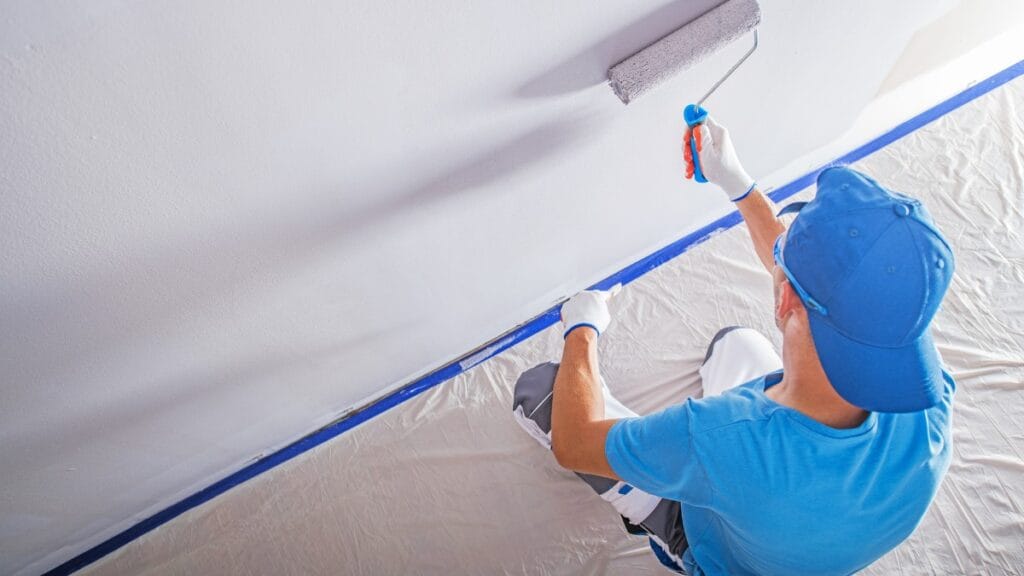
Unlike preparing drywall for painting, concrete is porous and chemically distinct, meaning visually clean surfaces can still hold dust, weak surface cement, curing compounds, grease, or moisture. Consequently, concrete preparation often requires mechanical profiling, moisture testing, or specialized cleaning to ensure proper coating adhesion.
Federal Highway Administration (FHWA) guidance for high-friction surface treatments states that concrete surfaces should be cleaned to remove oils, dirt, rubber, curing compounds, paint, laitance, weak surface mortar, and other contaminants that may interfere with bonding or curing.
EPA moisture guidance also states that concrete and other porous materials must be dry before coatings or finish materials are applied.
Skipping these checks can leave paint attached to contamination or weak material instead of sound concrete.
Signs Concrete Needs More Than Basic Cleaning
Before preparing concrete for paint, inspect it for:
- Peeling or flaking existing coatings
- White, powdery deposits or efflorescence
- Oil, grease, tire residue, or other contaminants
- Dusting or chalky surface material
- Cracks, pits, spalling, or exposed aggregate
- Damp areas, condensation, or recurring water intrusion
- Smooth, dense surfaces that may not provide the profile required by the coating
A moisture issue deserves attention before painting. Covering damp concrete does not correct the source of the water, and coating requirements vary by product. Understanding common causes of exterior paint peeling can also help homeowners recognize how moisture, poor surface preparation, and adhesion problems affect coating performance across different exterior materials.
How to Prepare Concrete for Painting

1. Identify the Surface and Exposure
A garage floor, basement wall, exterior foundation, and concrete porch face different traffic, moisture, and weather conditions. Contractors first match the coating system to the location and use.
2. Remove Dirt and Contamination
Vacuuming, detergent cleaning, pressure washing, or other methods may be appropriate. The goal is not simply to make concrete look cleaner. The surface must be free of substances that can prevent bonding.
3. Remove Weak Material and Failing Coatings
Loose paint, laitance, and contaminants must be removed via grinding, water-jetting, or abrasive blasting. While removing old paint from wood uses techniques for softer substrates, concrete requires methods addressing its density, porosity, and existing coatings.
4. Repair Defects
Cracks, holes, and spalled areas should be evaluated and repaired with materials compatible with the planned coating. Active movement or recurring water entry may require a repair solution beyond ordinary patching.
5. Let the Concrete Dry and Verify Conditions
For new concrete, curing requirements depend on the coating system and manufacturer, so contractors should follow the product's technical data rather than assume one universal waiting period. Contractors should also verify that the concrete is dry enough for the selected coating before application, using any moisture-testing method required or recommended by the manufacturer.
6. Prime When the Coating System Requires It
Primer can improve adhesion, seal a porous surface, or support a specific topcoat. The correct primer depends on concrete condition, exposure, and coating chemistry. Manufacturer instructions should control product compatibility and application limits.
When to Call Concrete Painting Contractors
DIY cleaning works for small, sound surfaces, but professional evaluation helps when dealing with moisture, widespread coating failure, oil stains, cracking, spalling, or areas needing mechanical profiling. For homeowners planning garage painting in Glastonbury, CT, professionals can determine the proper prep and coating systems required for different concrete surfaces.
If you are searching for concrete painting companies near me in Glastonbury, ask how they assess moisture, remove weak material, repair defects, and select compatible primers. The prep plan should reflect the actual substrate, not just the color change.
Frequently Asked Questions
Can old concrete paint be recoated without removing it?
Sometimes. If the existing coating is firmly bonded, compatible, and free of peeling, chalking, contamination, or moisture-related failure, it may be suitable for recoating after proper preparation. Failing or incompatible coatings should be removed before a new system is applied.
How can you tell if concrete is too damp to paint?
Visible dampness, condensation, recurring dark areas, efflorescence, or previous moisture-related coating failure can indicate a problem. Contractors may also use moisture-testing methods required or recommended by the coating manufacturer before application.
Does smooth concrete need to be roughened before painting?
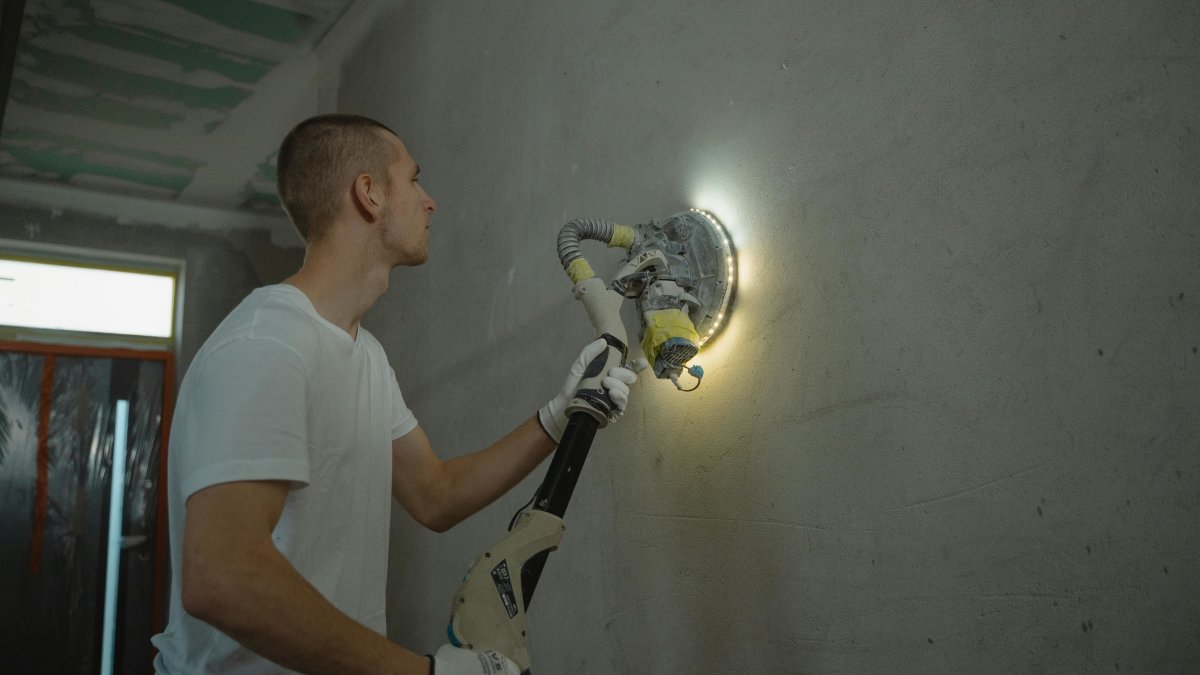
Often, yes. Dense or very smooth concrete may need mechanical profiling so the coating can bond properly. The required surface profile depends on the coating system and the manufacturer’s specifications.
Can oil-stained garage concrete be painted?
Possibly, but oil and grease need to be removed thoroughly first. Residual contamination can interfere with adhesion, so heavily stained areas may need repeated cleaning, mechanical preparation, or additional treatment before coating.
Can cracked concrete be painted after patching?
Yes, when the repair is stable, compatible with the coating system, and properly cured. Active cracks or cracks caused by ongoing movement or moisture may need further evaluation before paint or another coating is applied.
Discuss Your Concrete Painting Project in Glastonbury, CT
Good concrete painting starts below the finish coat. If your garage floor, foundation wall, porch, or other surface needs an update, Glastonbury Professionals House Painters can assess the surface and determine the required prep. Homeowners considering other updates can also review interior painting costs per room to plan and prioritize projects across the property.
Request a free estimate to discuss your painting project.
Related Posts