
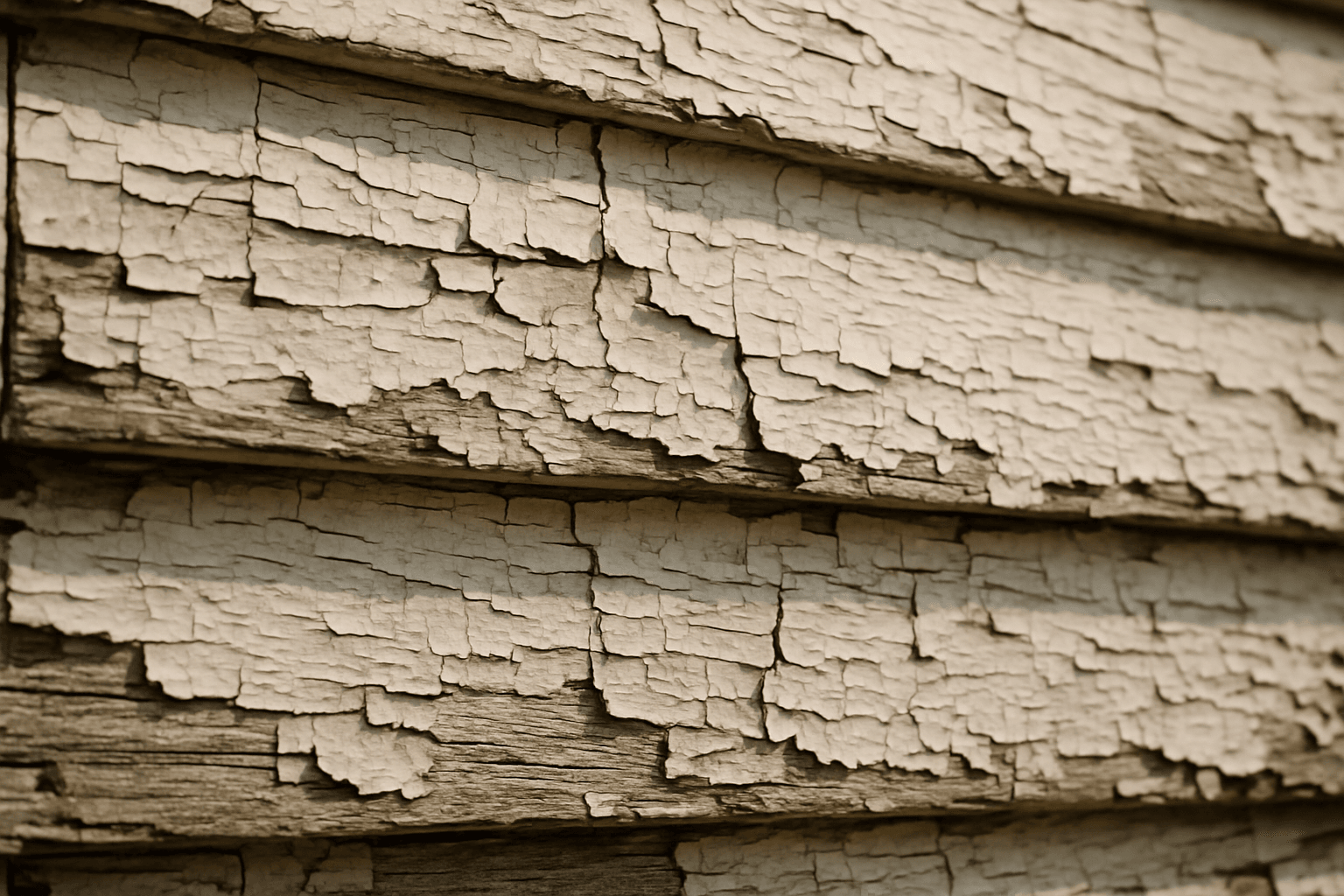
Most professionally applied exterior paint jobs last between 5 and 10 years. However, how long does exterior paint last depends on several factors. According to CertaPro Painters (March 2026), this timeline holds true for most residential projects. The International Association of Certified Home Inspectors puts the average closer to 7 years, as cited by Fusion Paint Supply (October 2024). That said, your actual results will vary quite a bit depending on your siding material, local climate, and the quality of prep work done before painting.
Table of Contents
- Key Lifespan Benchmarks by Surface Type
- How Climate and Color Affect How Long Does Exterior Paint Last
- Paint Type and Quality: What the Research Shows
- Signs Your Home Is Due for a Repaint
- Things to Know
- How to Make Exterior Paint Last Longer
Key Takeaways
- Most exterior paint jobs last 5 to 10 years, with 7 years being a commonly cited average.
- Surface material matters significantly: wood siding needs repainting every 3 to 7 years, while brick can go 8 to 17 years.
- Dark colors on sun-exposed walls tend to fade faster than lighter shades on the same surface.
- Coastal environments degrade paint up to five times faster than inland locations.
- Quality prep work, including cleaning, priming, and caulking, is the single biggest factor in how long any paint job holds up.
- Acrylic latex paint is currently the best-performing standard option for most U.S. homeowners.
Key Lifespan Benchmarks by Surface Type
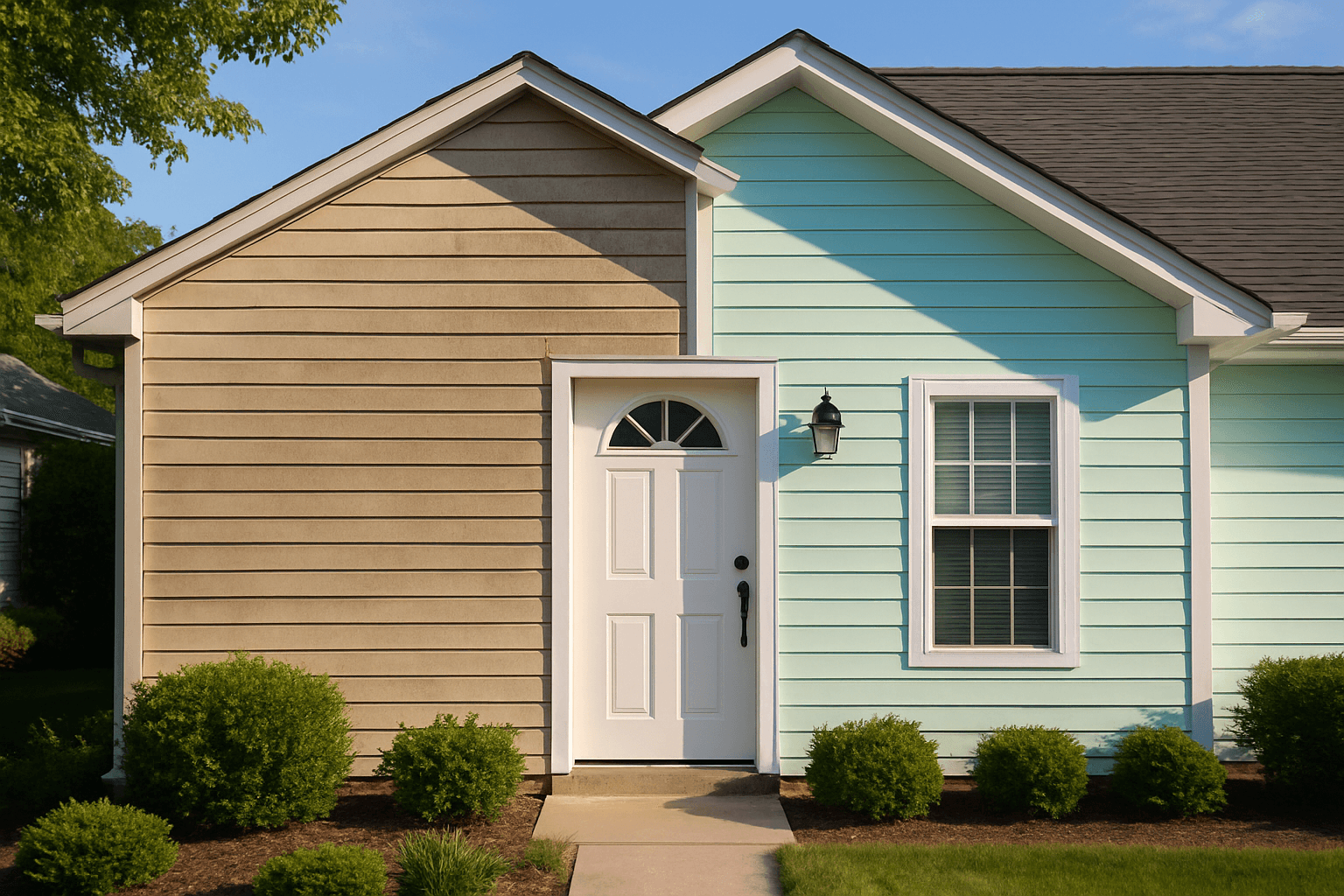
One of the most useful ways to think about how long does exterior paint last is to break it down by the material underneath. Different substrates hold paint differently. Knowing your siding type helps you set realistic expectations.
According to VanDerKolk Painting (April 2026), paint on wood tends to last anywhere from 3 to 7 years. Aluminum siding averages closer to 5 years. Wood is porous and expands and contracts with temperature changes, which shortens paint adhesion over time. Additionally, aluminum is smoother but prone to chalking if the surface prep is insufficient.
Brick sits at the other end of the spectrum. Paint on brick can last anywhere from 8 to 17 years, according to Today’s Homeowner (November 2024). That’s a wide range, but it reflects how much variation comes from climate exposure. Whether a breathable masonry primer was used also makes a significant difference. Vinyl siding is similarly durable: when you properly prep and paint it, it can hold paint for 20 years or more, per the same source.
| Surface Type | Estimated Paint Lifespan |
|---|---|
| Wood siding | 3 to 7 years |
| Aluminum siding | ~5 years |
| Vinyl siding (properly prepped) | 20+ years |
| Brick | 8 to 17 years |
| Stucco | 5 to 10 years |
If you’re unsure which timeline applies to your home, consulting with exterior house painting contractors near me can help. They provide a surface-specific assessment before you commit to a repaint.
How Climate and Color Affect How Long Does Exterior Paint Last
Geography plays a bigger role in paint lifespan than most homeowners realize. Coastal areas are particularly hard on paint: salty air causes degradation up to five times faster than inland locations, according to Today’s Homeowner (November 2024). If you live near the shore, you may need repaints every 3 to 5 years instead of the standard 5 to 10.
Sun exposure and color choice are equally significant factors. The sunny side of a home painted in a dark color might need a fresh coat within 3 to 5 years. In contrast, lighter colors on the same surface could last 5 to 7 years (Today’s Homeowner, November 2024). Dark pigments absorb more UV radiation, which breaks down the paint binder faster.
This doesn’t mean you must avoid bold exterior colors entirely. Rather, you should factor in more frequent repaints if you choose dark shades on south- or west-facing walls. Similarly, accent wall color ideas living room follows comparable principles about light reflection and pigment durability.
Paint Type and Quality: What the Research Shows
Not all exterior paints are created equal, and the product you choose can significantly affect longevity. Acrylic latex paint is currently the most widely recommended option for U.S. homeowners. It lasts an average of 5 to 10 years according to PQ Painting (June 2025). It’s flexible, moisture-resistant, and holds color better than oil-based alternatives in most climates.
On the lower end, cheaper exterior paints can fade in as little as 2 to 3 years, especially in darker colors (Oak City Coatings, May 2024). Saving money upfront on paint often costs more in the long run. You’ll find yourself repainting every few years instead of every decade.
Internal polling at Rhino Shield found that most homeowners report repainting their exterior every 5 to 7 years (Rhino Shield, August 2024). That tracks with the broader industry baseline. It suggests that many homeowners are getting reasonably good results from standard professional-grade products.
The exterior paint market itself is growing quickly, which reflects rising consumer interest in longer-lasting formulations. According to Research and Markets (2025), the market is projected to grow from $16.06 billion in 2025 to $17.57 billion in 2026 at a CAGR of 9.4%.
Signs Your Home Is Due for a Repaint
Knowing the numbers is helpful, but your eyes are often the best diagnostic tool. Here are clear signals that it’s time to call a painter:
- Peeling or flaking paint: This usually means moisture is getting behind the film. Either inadequate prep or failing caulk causes this issue.
- Chalking: A powdery residue on the surface means the binder in the paint has broken down from UV exposure.
- Fading or uneven color: Significant color loss, especially on sun-facing walls, signals that the paint has run its course.
- Visible cracking or checking: Fine cracks in the paint surface allow water penetration. This accelerates damage to the substrate.
- Mold or mildew stains: These won’t disappear with painting alone. The underlying moisture issue needs to be addressed first.
Things to Know
- Prep work is often more important than the paint itself. A premium product applied over a poorly cleaned or unprimed surface will fail early.
- Glastonbury Professionals House Painters, serving Hartford County for over 20 years, recommends inspecting your exterior at least once a year. Ideally, do this in spring after winter stress.
- Paint warranties from manufacturers typically cover product defects, not application failures. Always read the fine print.
- Second coats matter: a single thin coat rarely achieves the film thickness needed for full durability.
- Interior projects like how to paint interior doors follow similar prep principles. Proper surface preparation is a universal rule in painting.
How to Make Exterior Paint Last Longer
The single biggest factor in paint longevity isn’t the brand you choose. It’s how well the surface was prepared before the first brush stroke. Thorough cleaning, sanding rough spots, and replacing rotted wood all matter. Additionally, caulking gaps around windows and trim and applying a quality primer extend the lifespan of any paint job significantly.
Beyond prep, choosing the right sheen matters. Satin and semi-gloss finishes shed water more effectively than flat finishes. They work best for high-exposure areas like fascia boards and trim. Flat finishes hide surface imperfections well but are more susceptible to moisture absorption.
For homeowners in Connecticut and the broader New England region, the freeze-thaw cycle presents an added stressor. Paint applied in temperatures below 50°F often doesn’t cure properly. This leads to early adhesion failure. Timing your exterior project for late spring through early fall gives paint the best chance to cure fully before cold weather hits.
If you’re also refreshing your interior while planning an exterior project, exploring best gray paint colors for living room can help you coordinate your palette inside and out.
Start Your Exterior Project on the Right Foot
If your home is showing signs of wear or you’re approaching the 7-year mark since your last paint job, now is a good time to get a professional evaluation. Glastonbury Professionals House Painters has served Hartford County homeowners for over 20 years. Our team is licensed, insured, and bonded. We take prep seriously so your paint job lasts as long as it should. Request a free estimate today and get a clear picture of what your home needs before another New England winter rolls in.
Frequently Asked Questions
Q: How long does exterior paint last on a house in a cold climate like New England?
In cold climates, exterior paint typically lasts 5 to 7 years. However, harsh freeze-thaw cycles can shorten that range. Temperature fluctuations cause siding to expand and contract, which stresses the paint film over time. Proper application during appropriate temperatures and a quality primer can help offset climate-related wear.
Q: Does power washing shorten the life of exterior paint?
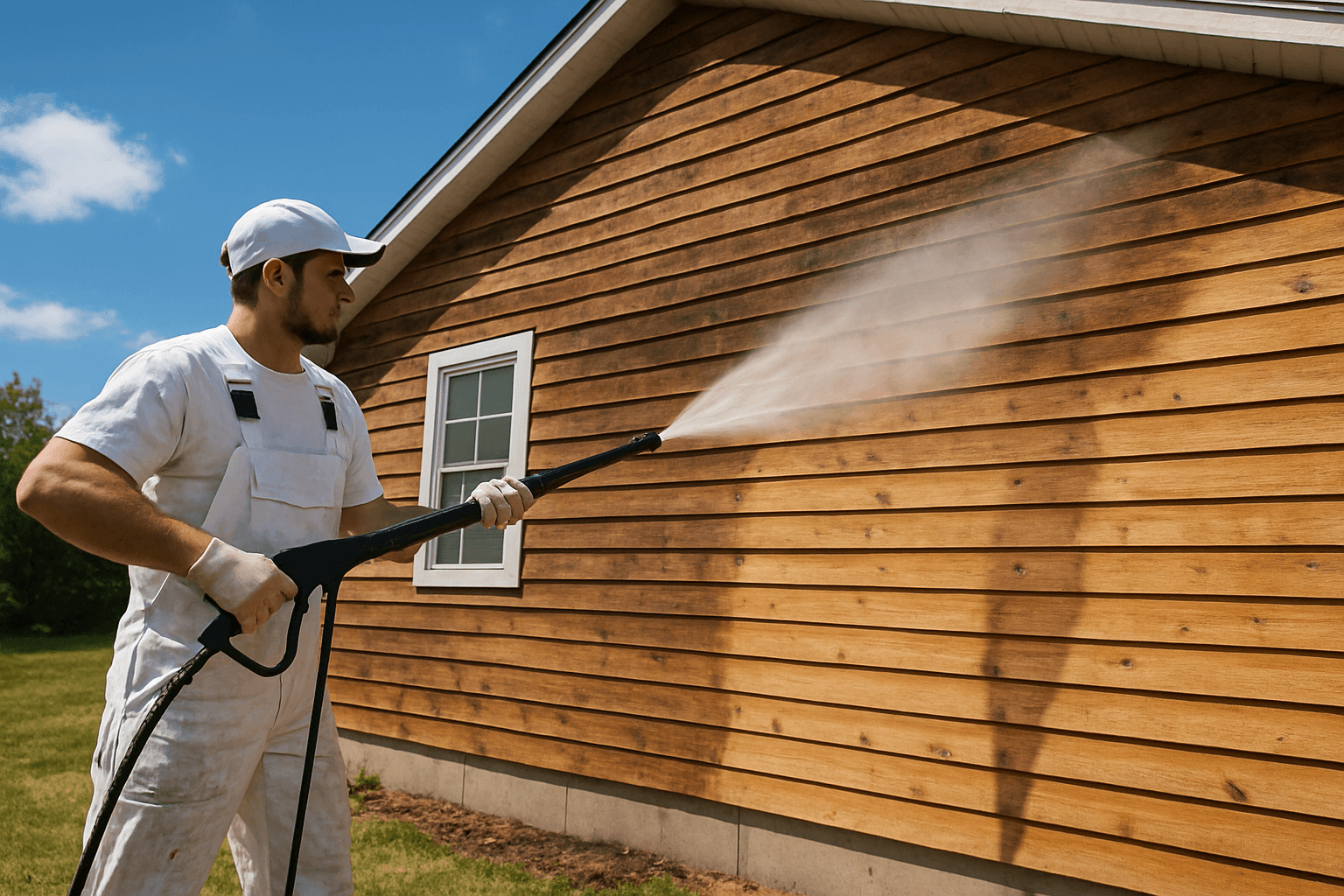
Power washing does not shorten paint life when done correctly. In fact, it removes dirt and mildew that would otherwise degrade the surface. Using too much pressure or holding the nozzle too close can damage older paint and wood fibers. A professional knows the right technique for each surface type.
Q: Is it better to repaint before paint starts peeling or wait until it does?
Repainting before visible failure is almost always the better choice. This approach avoids substrate damage that costs significantly more to repair. Once paint starts peeling, moisture has often already compromised the wood or substrate underneath. Early repainting protects your investment and reduces prep costs.
Q: Does the brand of exterior paint affect how long it lasts?
Yes, paint quality affects longevity significantly. Premium acrylic latex products generally outperform budget options by several years. Budget paints can fade or chalk in as little as 2 to 3 years, while higher-quality products consistently reach the 7 to 10 year range with proper application (Oak City Coatings, May 2024).
Q: How many coats of exterior paint does a house need for maximum durability?
Two coats over a primed surface is the standard recommendation for full coverage and long-term durability. A single coat rarely builds enough film thickness to resist UV and moisture effectively. Two coats also give you more even color and better protection at seams and edges.
The Bottom Line on How Long Does Exterior Paint Last
Most homeowners can expect a professionally applied exterior paint job to hold up for 5 to 10 years. Surface type, climate, and prep quality shape where in that range you land. Wood and aluminum siding need attention sooner; brick and properly prepped vinyl can go much longer. The clearest path to a longer-lasting paint job is pairing a quality product with thorough surface preparation. Additionally, apply it at the right time of year. If you’re ready to get started, contact Glastonbury Professionals House Painters for a free, no-obligation estimate today.