- Free Estimates

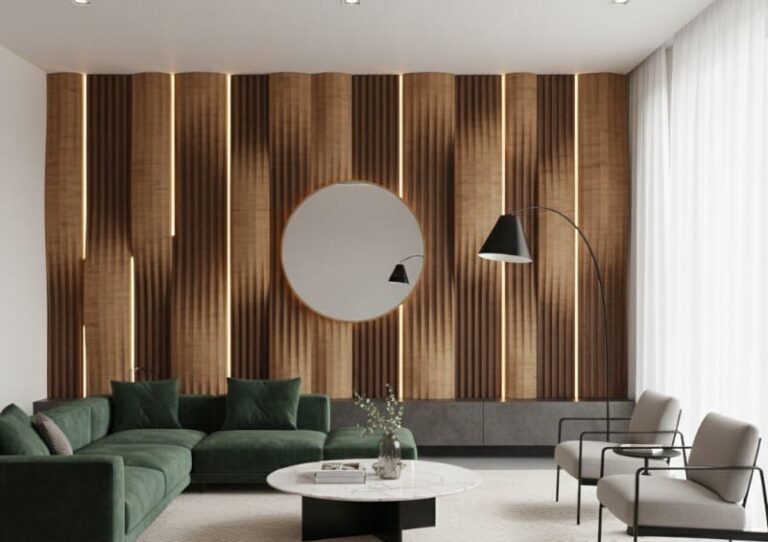
✔ Accent walls should highlight one focal point per room. Too many statement walls reduce impact and visual balance.
✔ Geometric patterns work best when kept simple and precise. Clean lines and proper spacing matter more than complexity.
✔ Color depth adds sophistication without overwhelming a space. Rich, saturated tones are effective when paired with light trim and finishes.
✔ Architectural context matters. Accent wall styles should align with the home’s layout and era.
✔ Professional execution makes a visible difference. Precision painting ensures clean lines, even coverage, and long-lasting results.
Accent walls have moved far beyond a single bold color behind a sofa. Today, they are intentional design elements that add structure, personality, and value to a home when done correctly. For Glastonbury homeowners, accent walls offer a way to update interiors without committing to a full remodel—while still reflecting the town’s blend of classic New England charm and modern living.
This guide breaks down current accent wall ideas, popular statement wall styles, and geometric patterns that work especially well in Glastonbury homes, with practical insight into how and where to use them effectively.
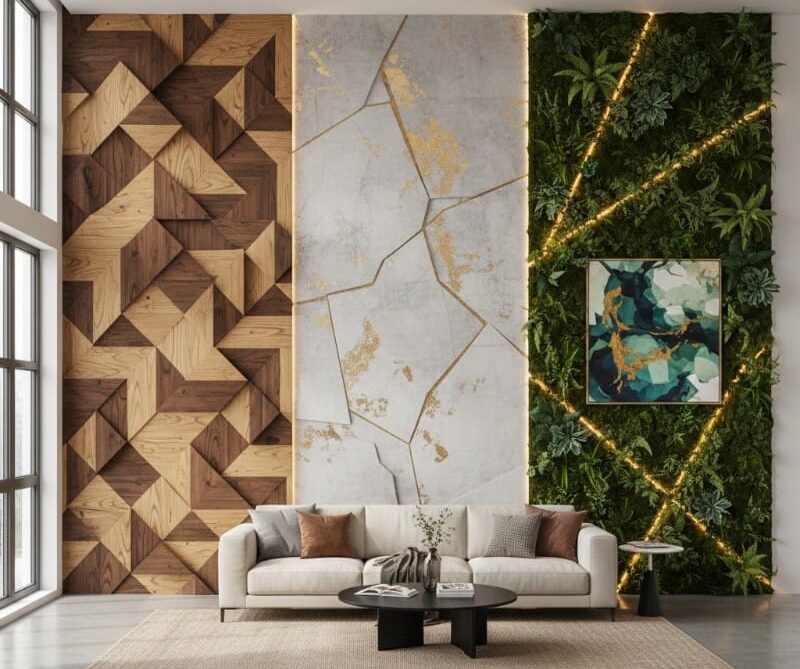
A successful accent wall is purposeful. It highlights architecture, anchors a room, or creates visual interest without overwhelming the space.
Key principles include:
When these fundamentals are followed, accent walls feel integrated rather than trendy.
Rich colors like charcoal, forest green, navy, or oxblood are increasingly popular in Glastonbury homes, especially in dining rooms, offices, and primary bedrooms. These shades add depth and sophistication without feeling loud.
They work best when:
The wall anchors a key feature (fireplace, bed, or built-ins)
Texture adds subtle complexity without requiring bold color changes. Techniques like limewash, suede finishes, or soft plaster effects create movement and warmth.
These are particularly effective in:
Historic or colonial-style homes are common in the area
Color blocking introduces structure to a space. Horizontal blocks can visually widen a room, while vertical blocks add height.
Common applications include:
This approach works well in transitional homes that blend classic layouts with modern finishes.
Geometric patterns are a strong choice when homeowners want impact without introducing busy wallpaper or murals. The key is restraint and precision.
Clean lines painted directly onto the wall offer a modern, architectural feel. Popular designs include:
Neutral bases with darker line work tend to age better than high-contrast combinations.
Using multiple shades of the same color creates depth while keeping the room calm. This is ideal for:
Tone-on-tone designs maintain visual interest without dominating the room.
Repeating geometric shapes—such as diamonds or hexagons—can work well when scaled appropriately. Larger shapes are better suited for open spaces, while smaller patterns fit bedrooms or reading nooks.
Precision matters here. Inconsistent spacing or uneven lines quickly undermine the look.
Not every wall should be accented. Strategic selection is critical. Best candidates include:
Walls broken up by too many doors or windows typically don’t work well unless the design accounts for them intentionally.
Glastonbury’s housing stock ranges from historic colonials to newer suburban builds. Accent wall choices should respect that context.
Matching the design to the home’s architecture keeps the update feeling intentional rather than forced.
Even strong ideas can fall flat if executed poorly. The most common issues include:
Accent walls demand accuracy. Small imperfections stand out more than on standard walls.
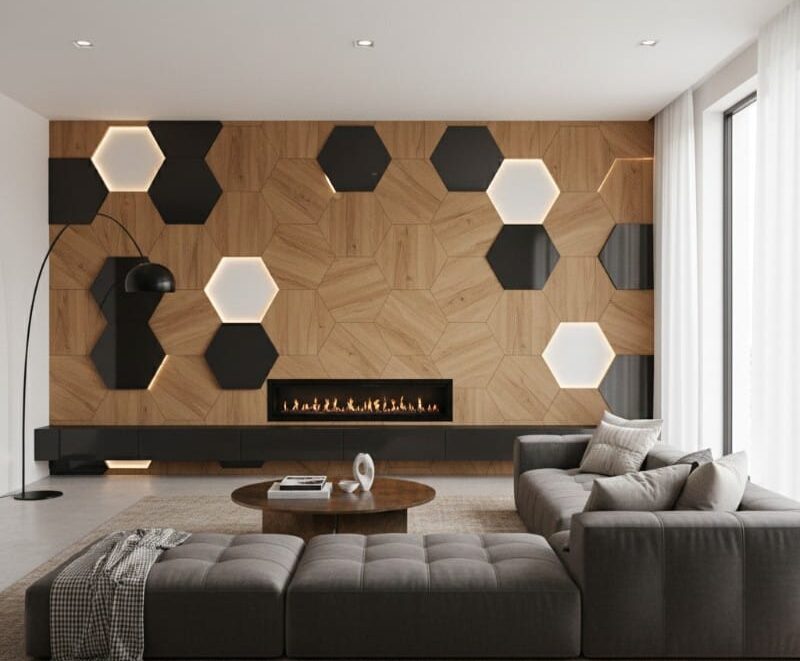
Accent walls, especially geometric designs, require careful planning, surface prep, and precise application. Clean edges, consistent spacing, and smooth finishes separate professional results from amateur attempts.
A professionally painted accent wall:
This is particularly important for statement walls meant to draw attention.
The best accent wall is usually the first wall you see when entering a room or one that anchors a key feature like a fireplace, bed, or dining table. Avoid walls with multiple doors or windows unless the design intentionally incorporates them.
Yes. Geometric accent walls remain popular, especially when done with clean lines, neutral color palettes, or tone-on-tone designs. Simpler, larger-scale patterns age better than overly complex designs.
While accent walls don’t directly increase home value, professionally executed designs can improve visual appeal and buyer perception, making a home feel more modern and well-maintained.
Deep blues, warm grays, forest greens, and charcoal tones work well in Connecticut homes, particularly when balanced with light trim and natural light common in New England interiors.
Painted accent walls are more flexible, cost-effective, and easier to update. They are especially preferred for geometric designs where precision and durability matter.
Accent walls are one of the most effective ways to transform a space with minimal disruption—when they’re designed and executed correctly. Whether the goal is subtle elegance or bold architectural impact, the right approach makes all the difference.
If you’re ready to enhance your Glastonbury home with a thoughtfully designed accent wall, Glastonbury Professionals House Painters can help bring the vision to life with precision, experience, and an understanding of what works in local homes.